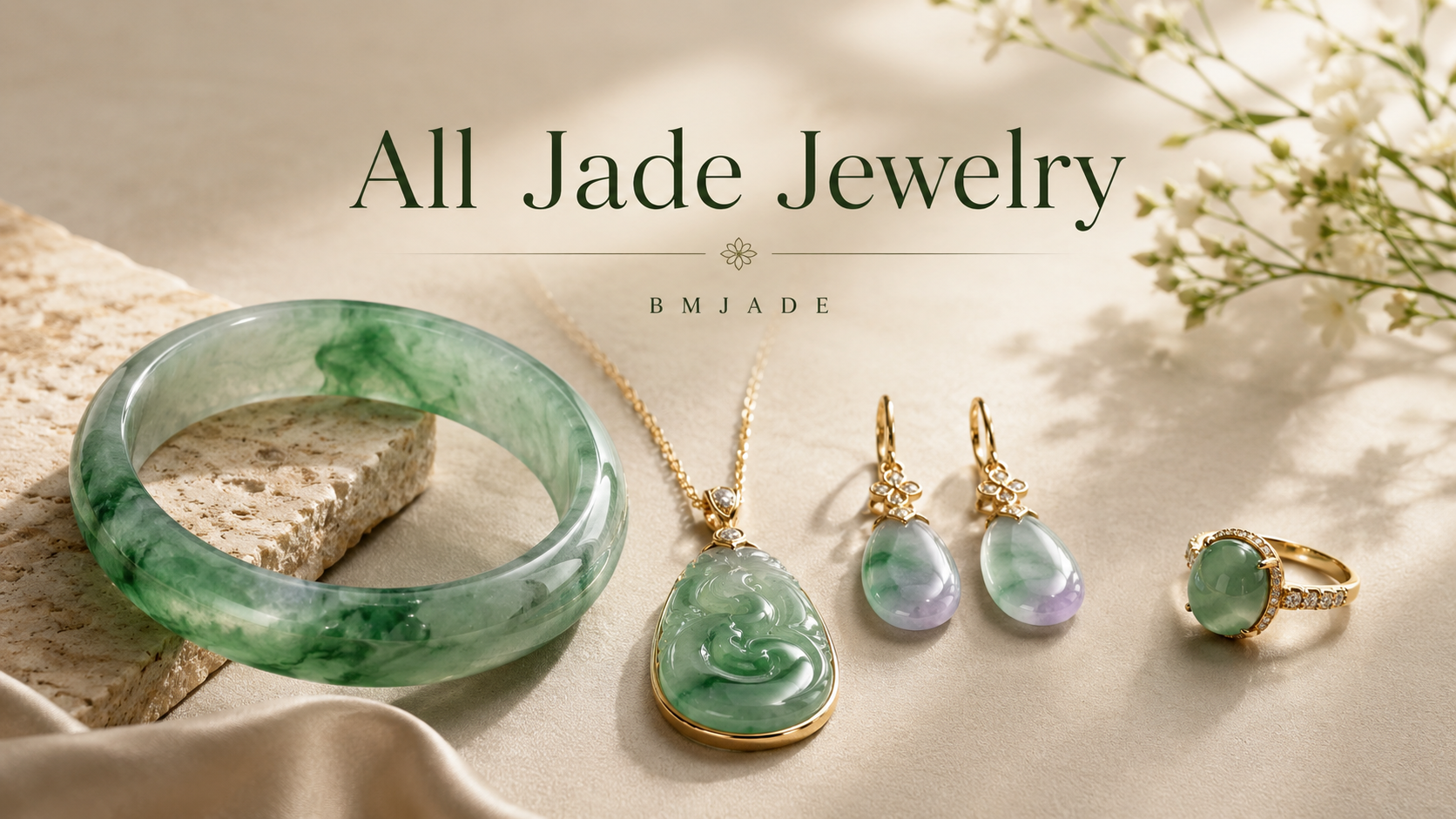
When you purchase a genuine, natural jade bracelet, you are not just acquiring a piece of jewelry; you are adopting a "living" stone. For thousands of years, jade has been revered not only for its captivating beauty but also for the profound cultural philosophy surrounding it. There is an ancient Chinese proverb: "Ren yang yu, yu yang ren"—which translates to, "People cultivate jade, and jade cultivates people."
Unlike synthetic gemstones or cold metals, natural Type A jade (both Nephrite and Jadeite) interacts actively with its environment and its wearer. Over time, a well-cared-for jade bangle will absorb the natural, clean oils from your skin, developing a deeper, more luminous, and highly personalized patina. Conversely, neglected jade can become dull, cloudy, or even suffer irreparable structural damage.
Because natural jade is slightly porous and uniquely structured, it requires a very specific care routine. Whether you are preserving a cherished family heirloom or protecting a newly acquired Imperial Green bangle, this ultimate guide will teach you everything you need to know about cleaning, wearing, and storing your jade bracelet through every season of the year.
1. Introduction: Why Natural Jade Requires Special Care
To understand how to care for your jade, you must first understand what it is made of. Jade is not a single, solid crystal like a diamond or a sapphire. Instead, it is an interlocking mass of microscopic fibrous crystals. This unique internal structure gives jade its legendary toughness—allowing it to be intricately carved without shattering—but it also means the stone has microscopic pores.
Because of this slight porosity, natural jade acts somewhat like a sponge over decades of wear. It can absorb moisture and natural body oils, which enhances its translucency and glassy luster. However, this same porosity means it can also absorb harmful chemicals, dirty sweat, and harsh pollutants.
Furthermore, while jade is incredibly hard (highly resistant to scratching), it is also brittle. A sharp impact against a hard surface can cause internal micro-fractures or break the bangle entirely. Therefore, proper jade care revolves around two core principles: maintaining the stone’s chemical purity and protecting it from mechanical shock.
2. How to Clean Your Jade Bracelet Safely and Thoroughly
Routine cleaning is the most critical step in jade maintenance. Daily wear exposes your bracelet to dust, airborne pollutants, perfumes, lotions, and perspiration. If left uncleaned, this microscopic grime will settle into the stone's surface, dulling its natural glow and potentially causing long-term discoloration.
The Daily Wiping Routine
The best way to keep your jade beautiful is to prevent heavy buildup in the first place. You should make it a habit to wipe your bracelet down at the end of every day, just as you would wash your face.
-
The Right Tool: Keep a dedicated, high-quality microfiber cloth (similar to those used for cleaning camera lenses or eyeglasses) on your nightstand.
-
The Method: When you take the bracelet off for the night, gently wipe the entire surface, paying special attention to the inner circumference that sits directly against your skin. This simple 10-second routine removes the daily accumulation of acidic sweat, dead skin cells, and cosmetic residues, allowing the stone to "breathe" and maintain its polish.
The Monthly Deep Cleaning Method
Even with daily wiping, your jade bracelet will benefit from a deeper, more thorough cleaning once a month, or more frequently if you live in a highly polluted area or have a very active lifestyle.
Step-by-Step Deep Cleaning:
-
Prepare a Gentle Bath: Fill a small, clean bowl with lukewarm water. Do not use hot water. Add just one or two drops of a mild, pH-neutral, unfragranced liquid soap (a gentle baby wash or a pure castile soap works perfectly).
-
Soak the Bangle: Submerge the jade bracelet in the soapy water and let it soak for 5 to 10 minutes. This gently loosens any stubborn oils or dirt that have adhered to the surface.
-
Brush Gently: If your bangle has intricate carvings or engraved patterns where dirt can hide, take a brand-new, ultra-soft baby toothbrush. Dip it in the soapy water and very gently brush the crevices. Do not scrub aggressively; let the soft bristles do the work.
-
Rinse Thoroughly: Hold the bracelet under a gentle stream of lukewarm tap water to wash away all soap residue. Leftover soap can dry into a cloudy film on the stone.
-
Dry Completely: Pat the bracelet dry with a clean, lint-free microfiber cloth. Do not use paper towels, as the wood fibers in paper can cause micro-scratches on the highly polished surface over time. Allow it to air-dry completely on a soft towel before wearing or storing it.
The Absolute "Don'ts" of Jade Cleaning
Many common jewelry cleaning methods will instantly ruin natural jade. Memorize these strict prohibitions:
-
No Ultrasonic Cleaners: Jewelers often use ultrasonic machines to clean diamonds and gold. These machines use intense, high-frequency sound waves to shake dirt loose. Because jade is composed of interlocking microscopic fibers, these intense vibrations can shatter the internal structure, causing the stone to crack or break apart from the inside out.
-
No Harsh Chemicals: Never expose your jade to bleach, ammonia, chlorine (swimming pools), or commercial jewelry dipping solutions. These chemicals will eat away the polished surface, resulting in a dull, permanently frosted appearance. Even mild household acids like vinegar or lemon juice should be strictly avoided.
-
No Extreme Heat or Hot Water: Jade is highly susceptible to thermal shock. Plunging a cool jade bangle into hot water causes rapid thermal expansion. The outer layers of the stone expand faster than the inner layers, leading to instant, severe cracking. Always use room temperature or lukewarm water.
3. Seasonal Care: Protecting Jade in Summer and Winter
Just as your skin requires different skincare routines in the summer and winter, your jade bracelet needs seasonal protection to adapt to changing environmental conditions.
Summer Care: Defending Against Sweat and High Temperatures
Summer is arguably the most challenging season for jade jewelry. The combination of intense heat, UV rays, and heavy perspiration poses several threats.
-
The Danger of Sweat: Human sweat is mildly acidic. It contains water, urea, lactic acid, and various salts. While a little natural body oil is good for jade, prolonged exposure to heavy sweat is corrosive. If sweat is left to dry on the bangle day after day, the salts and acids will slowly erode the high-gloss polish, leaving the jade looking dull, cloudy, and "dry."
-
Preventive Action: During the hot summer months, increase the frequency of your daily wiping routine. If you spend a day outside sweating heavily, it is highly recommended to perform a quick lukewarm water rinse when you get home.
-
Beware of Direct Sunlight: Jade should never be left to bake in the hot sun. Prolonged exposure to intense UV rays and heat can actually alter the internal molecular structure of the stone, causing vibrant colors (especially delicate lavenders and lighter greens) to fade. The heat also causes the natural moisture locked inside the stone to evaporate, leading to a dull appearance. If you are going to the beach for a day of sunbathing, it is best to leave your jade bangle safely at home.
Winter Care: Preventing Dryness and Cracking
In the winter, the environmental threats shift from heat and sweat to severe dryness and cold.
-
The Threat of Dehydration: During winter, indoor heating systems strip the moisture from the air, creating an incredibly dry environment. Just as your skin cracks in the winter, jade can also suffer from "dehydration." Natural jade contains trace amounts of water within its crystalline structure. When the air is excessively dry for months on end, the stone can lose this moisture, causing it to lose its transparency and, in severe cases, develop hairline surface cracks.
-
Hydration Techniques: To combat winter dryness, you must actively keep the jade hydrated. If you wear the bracelet daily, your natural body oils will usually provide enough of a barrier to lock in moisture. However, if you notice the stone looking a bit dry, or if you wear a Nephrite bangle (which tends to love oil more than Jadeite), you can apply a microscopic amount of pure, unfragranced mineral oil or white tea oil to a soft cloth and gently buff the bracelet. Let it sit for a few hours to absorb, then wipe away any excess. (Note: Do not use cooking oils like olive or vegetable oil, as they will go rancid and turn sticky).
-
Avoiding Sudden Temperature Drops: Beware of stepping out of a heavily heated indoor room directly into freezing outdoor temperatures. Try to keep the bangle tucked slightly under your coat sleeve so it is insulated by your body heat, preventing a sudden, shocking drop in temperature that could stress the stone.
4. Daily Wearing Habits to Prevent Damage
The majority of jade bracelets are broken not by improper cleaning, but by simple, avoidable accidents during daily life. Cultivating mindful wearing habits is your best insurance policy against a shattered bangle.
The Art of Avoiding Bumps and Knocks
Jade is incredibly hard—it can scratch glass and cannot be easily scratched by a steel knife. However, it lacks "toughness" (flexibility). When a metal bracelet hits a granite countertop, the metal simply dents. When a jade bracelet hits a granite countertop with the right amount of force, it shatters.
To protect your bangle, you must develop a spatial awareness of your wrist. Be incredibly mindful of:
-
Stone Countertops: Kitchens and bathrooms with marble or granite counters are the most common places jade bangles meet their demise.
-
Metal Door Frames and Handles: Swinging your arm too close to a door frame can cause a fatal crack.
-
Typing and Desk Work: If you work at a desk, the constant clacking of the bangle against the hard wood or metal surface can cause micro-abrasions over time. Consider resting your arm on a soft mousepad or removing the bangle during intense typing sessions.
The "Left Hand" Rule
In traditional Chinese culture, it is highly recommended to wear a jade bangle on the left wrist.
-
Cultural Reasoning: According to traditional beliefs, the left hand is closest to the heart. Wearing jade on the left wrist allows the stone's calming, protective energy to connect directly with your heart chakra, bringing inner peace and stabilizing your emotional well-being.
-
Practical Reasoning: From a purely practical standpoint, approximately 90% of the world's population is right-handed. Your dominant hand performs the vast majority of daily tasks—opening doors, writing, holding heavy items, and gesturing. By wearing your precious jade on your non-dominant left hand, you drastically reduce the statistical probability of it accidentally swinging into a hard object.
Always Remove Before Strenuous Activities
Your jade bracelet should be treated like a piece of fine luxury, not sports equipment. You must explicitly remember to take off your bangle before engaging in:
-
Gym Workouts: Lifting heavy metal dumbbells, gripping iron barbells, or operating gym machinery poses a massive risk of crushing or chipping the stone.
-
Heavy Housework: Deep cleaning involves harsh chemical sprays, lifting heavy furniture, and moving rapidly. Take the bracelet off and put it somewhere safe before you start.
-
Gardening or Construction: Dirt, rocks, and tools will scratch and damage the polish of the jade.
5. Special Care for Specific Jade Types: The Sugar Jade Example
While the general rules above apply to almost all natural jade, certain specific sub-categories require an extra layer of mindfulness. A perfect example of this is Sugar Jade (often a specific type of Nephrite jade).
Sugar Jade gets its name from its beautiful, warm, caramel-brown or reddish-brown coloration, which resembles melted brown sugar. This unique color is not dyed; it is naturally caused by iron oxide (rust) permeating the microscopic pores of the stone over millions of years while it lay in the earth.
Because the color in Sugar Jade is essentially a natural mineral stain, it is much more chemically reactive than the solid green colors of Imperial Jadeite.
-
Extreme Chemical Sensitivity: Exposing Sugar Jade to any acidic or alkaline substances (even strong shampoos or perfumes) can cause a chemical reaction with the iron oxide, leading the beautiful caramel color to fade, turn dull, or even shift to an unattractive blackish hue.
-
Heat Sensitivity: High heat can also cause the iron elements within Sugar Jade to oxidize further, permanently altering the stone's appearance.
If you own a Sugar Jade bracelet, or any jade with natural, earthy inclusions and color shifts, you must be doubly vigilant about keeping it away from harsh soaps, cosmetics, and extreme heat.
6. How to Store Your Jade Bracelet Properly for the Long Term
There will be times when you need to take your jade bracelet off for an extended period—perhaps for a vacation, a medical procedure, or simply because you are rotating your jewelry collection. Tossing it loosely into a chaotic jewelry box is a recipe for disaster. Proper storage is crucial to preventing long-term degradation.
Create a Safe Haven
Never store your jade bangle in the same compartment as diamonds, sapphires, or heavy metal jewelry. Diamonds are significantly harder than jade and will easily carve deep, permanent scratches into your bangle’s polished surface if they rub together.
-
Individual Pouches: Always place your jade bracelet inside its own individual, incredibly soft pouch. Velvet, silk, or high-quality microfiber pouches are ideal.
-
Padded Jewelry Boxes: If using a jewelry box, ensure the bangle has its own dedicated, padded slot where it cannot slide around or bang against the walls of the box when the drawer is opened.
The Danger of Compression
Never place heavy objects on top of your stored jade. Because the bangle is a hollow circle, putting sustained downward pressure on it (like stacking heavy books or a heavy jewelry chest on top of the pouch) can cause the stone to slowly fracture under the stress. Always store it flat and unburdened.
Maintaining Humidity in Storage
As discussed in the winter care section, jade needs ambient moisture to retain its structural integrity and glowing luster. If you are storing your jade bracelet in a bank safety deposit box or a home safe for several months or years, you are putting it into a completely arid, moisture-free environment.
-
The Water Glass Trick: To prevent your jade from "drying out" and becoming brittle in a safe, place a very small shot glass or a damp sponge filled with distilled water in the corner of the safe. As the water slowly evaporates, it will create a micro-climate of humidity within the enclosed space, keeping your jade perfectly hydrated and vibrant until you are ready to wear it again.
Explore Authentic Jade with Confidence
Applying these careful cleaning routines, seasonal protections, and mindful wearing habits will ensure your jade investment stands the test of time, growing more beautiful and luminous with every passing year. A well-cared-for jade bangle is not just a temporary accessory; it is an heirloom meant to be passed down through generations.
If you are looking for a trusted source to start or expand your collection, look no further. Every piece in our Jade Bracelet Collection is carefully sourced and masterfully crafted to highlight the stone's natural beauty and durability. Discover our range of genuine, untreated Type A jadeite and nephrite bracelets today, and experience the timeless, living luxury of the "Stone of Heaven."