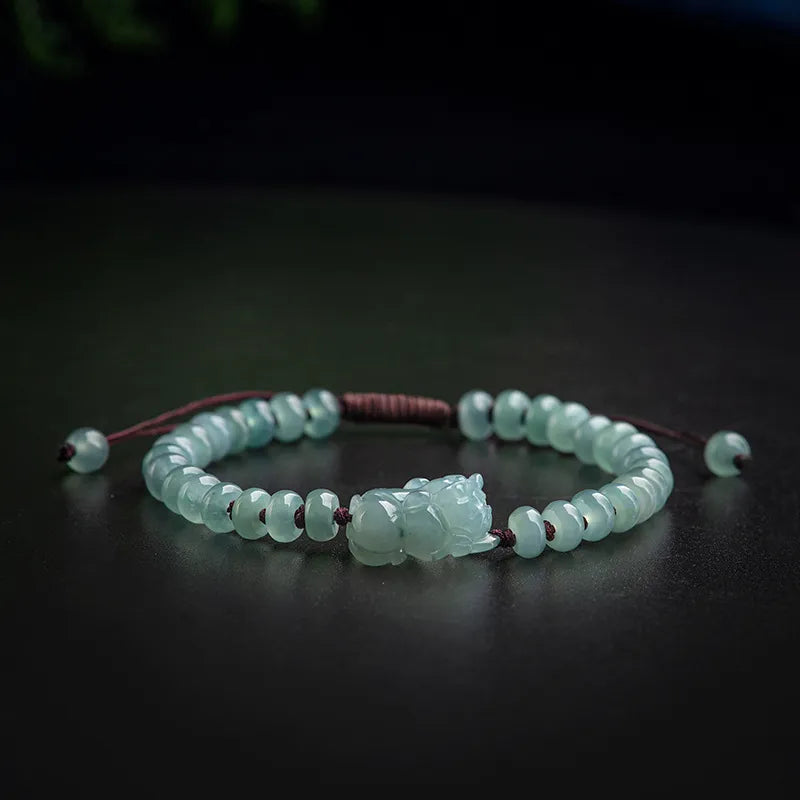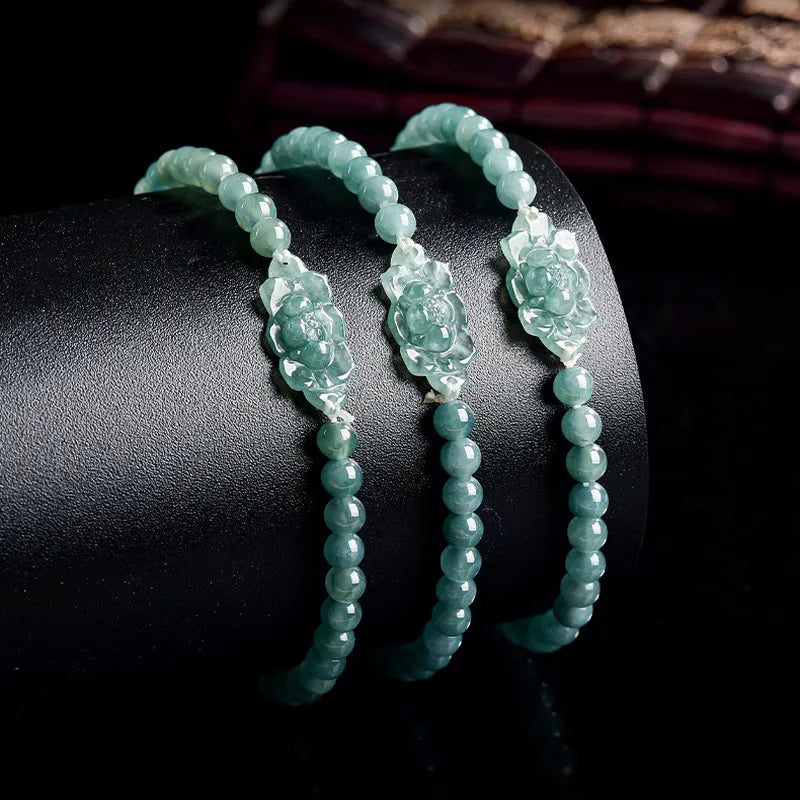
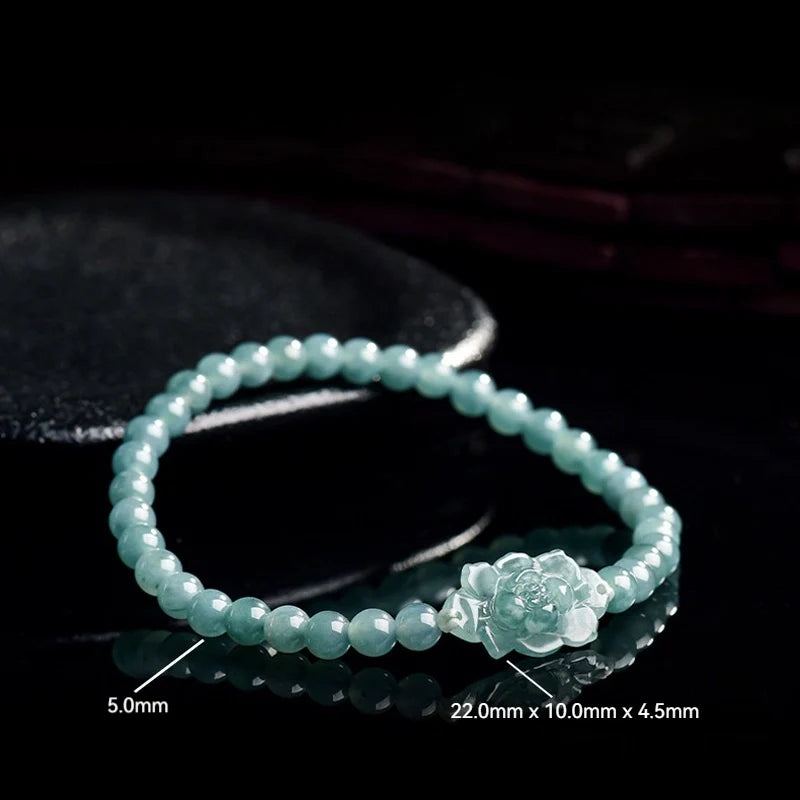
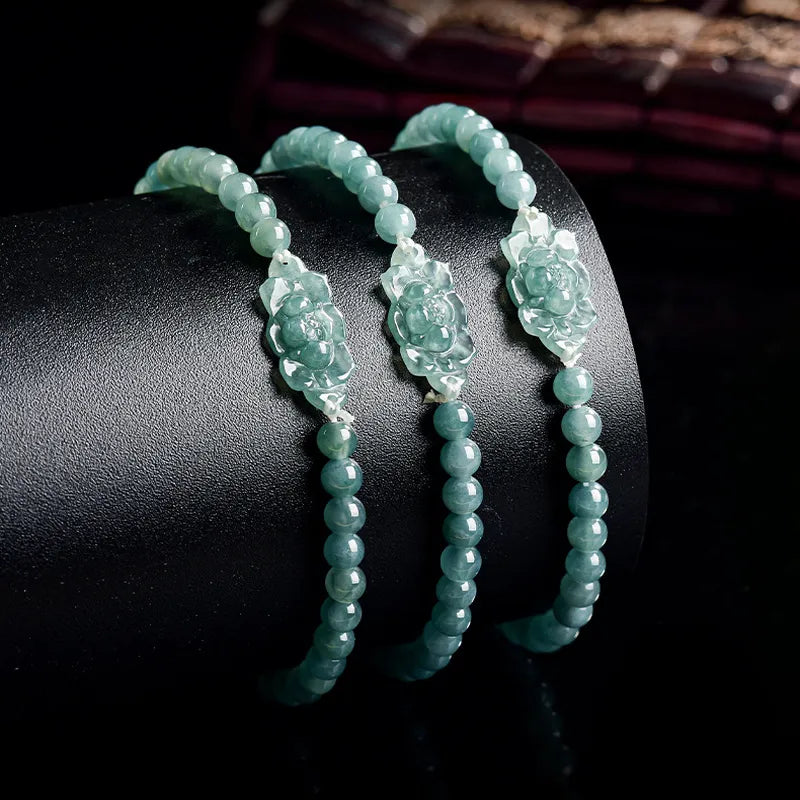
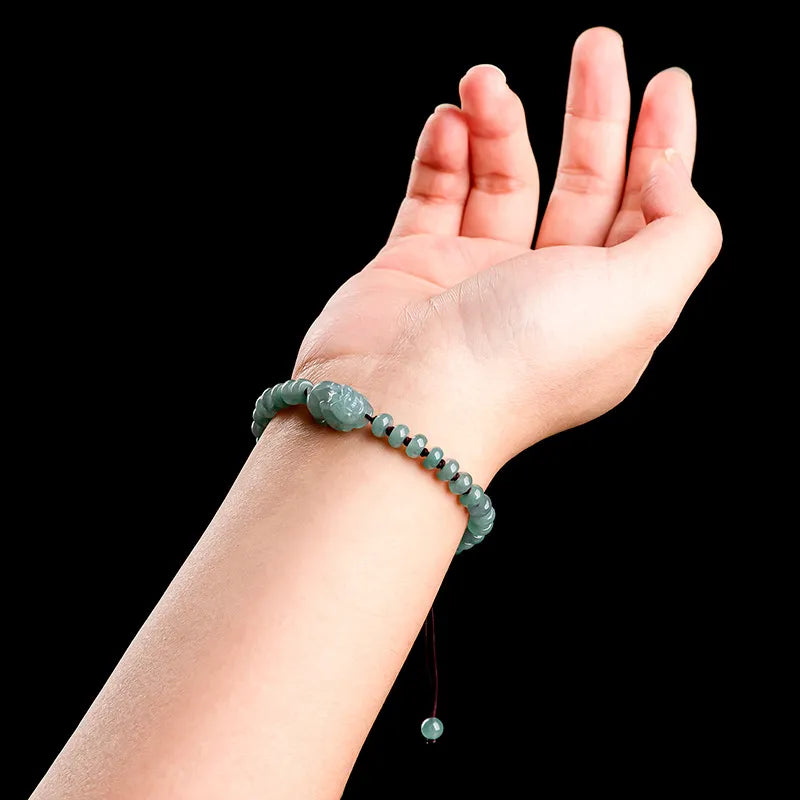

The Importance of Protecting Jade Bracelets from Low-Temperature Stimuli
Jade bracelets, cherished for their natural beauty and cultural significance, require proper care to maintain their luster and structural integrity. One critical aspect of their preservation is avoiding exposure to extreme cold, which can cause irreversible damage. Understanding the scientific principles behind this requirement and implementing practical precautions ensures these treasures remain vibrant for generations.
How Low Temperatures Affect Jade’s Physical Properties
Jade, composed primarily of silicate minerals, exhibits unique thermal behavior due to its crystalline structure. When exposed to cold environments, its molecular vibrations slow down, leading to increased brittleness. This phenomenon, similar to how glass becomes fragile in winter, makes jade prone to micro-cracks or fractures. For instance, a study observing jade specimens stored in unheated environments during winter revealed surface fissures invisible to the naked eye but detectable under magnification. These cracks compromise the stone’s durability and may lead to breakage over time.
Additionally, jade’s hygroscopic nature—its ability to absorb and release moisture—plays a role in cold-induced damage. In low temperatures, trapped moisture within the stone can freeze, expanding and exerting pressure on internal structures. This process, akin to frost heave in soil, accelerates deterioration, especially in jade with existing inclusions or flaws. Collectors often notice dullness or cloudiness in jade left in cold rooms, a result of moisture-related structural stress.
Practical Measures to Shield Jade Bracelets from Cold
Storage Environment Optimization
Avoid storing jade bracelets in unheated areas like garages or attics during winter. Instead, place them in climate-controlled spaces where temperatures remain stable, ideally between 15–25°C (59–77°F). For long-term storage, wrap the bracelet in acid-free cotton cloth and store it in a wooden box lined with silk. This setup minimizes temperature fluctuations and prevents direct contact with cold surfaces, which could conduct heat away from the stone.
Handling Protocols During Cold Seasons
When wearing jade bracelets in winter, adopt gentle handling practices. Before putting on the bracelet, warm it slightly by holding it close to your body for a few minutes or placing it near a radiator (not directly on it). This reduces thermal shock when the stone contacts your skin. Avoid wearing jade during outdoor activities in freezing conditions, as prolonged exposure to cold air and wind accelerates heat loss. If removal isn’t possible, layer clothing over the bracelet to create an insulating barrier.
Cleaning and Maintenance Adjustments
Cold weather alters jade’s reaction to cleaning agents and methods. Instead of using cold water, which can cause sudden contraction, clean the bracelet with lukewarm water and a mild, pH-neutral soap. Gently pat it dry with a soft towel instead of air-drying in a cold room, as residual moisture may freeze on the surface. For polished jade, apply a thin layer of natural beeswax or mineral oil annually to seal pores and reduce moisture absorption. This step is particularly crucial in regions with harsh winters, where humidity levels drop significantly.
Recognizing Signs of Cold-Induced Damage
Early detection of cold-related issues prevents further deterioration. Inspect your jade bracelet regularly for subtle changes, such as a matte finish replacing its usual gloss or tiny lines radiating from inclusions. These symptoms indicate micro-cracking or moisture damage. Another red flag is a sudden change in how the bracelet feels against your skin—if it becomes unusually cold to the touch even in room temperature, it may have absorbed ambient chill. In such cases, consult a gemologist to assess the extent of damage and recommend restorative treatments, such as professional polishing or stabilized resin infusion for severe cracks.
By respecting jade’s sensitivity to cold and implementing these strategies, collectors can safeguard their bracelets against seasonal threats. Whether stored as heirlooms or worn daily, jade thrives when protected from the extremes of nature, retaining its timeless elegance for years to come.