
How to Identify the Gentle Luster of Jade Bracelets: Key Points for Discerning Authenticity and Quality
Jade bracelets are prized for their natural beauty, and their gentle luster is a critical indicator of authenticity and craftsmanship. Unlike artificial stones, genuine jade exhibits a soft, warm glow that feels alive to the eye. Below are practical methods to assess this quality without relying on advanced tools or brand reputation.
Understanding the Nature of Jade Luster
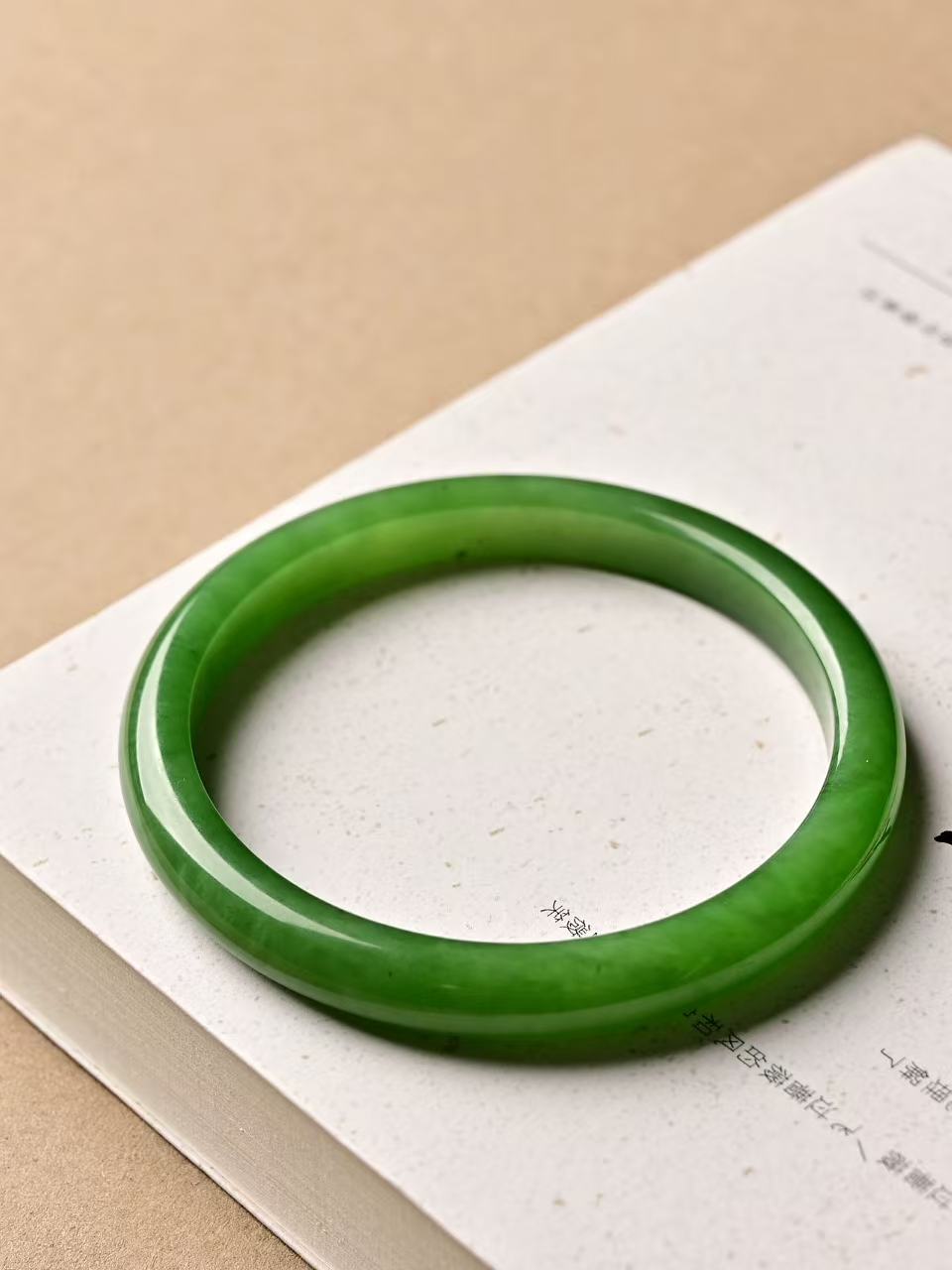
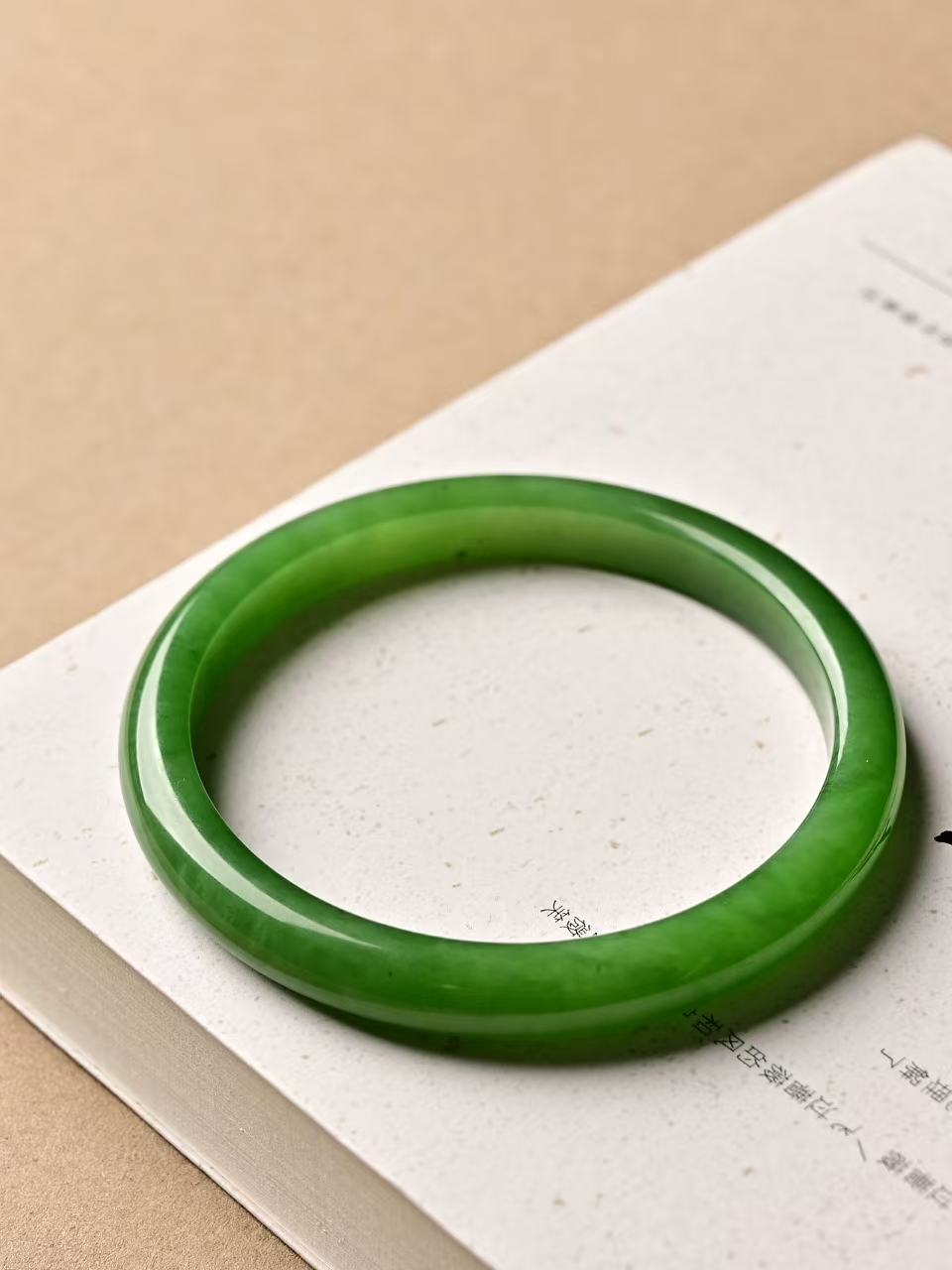
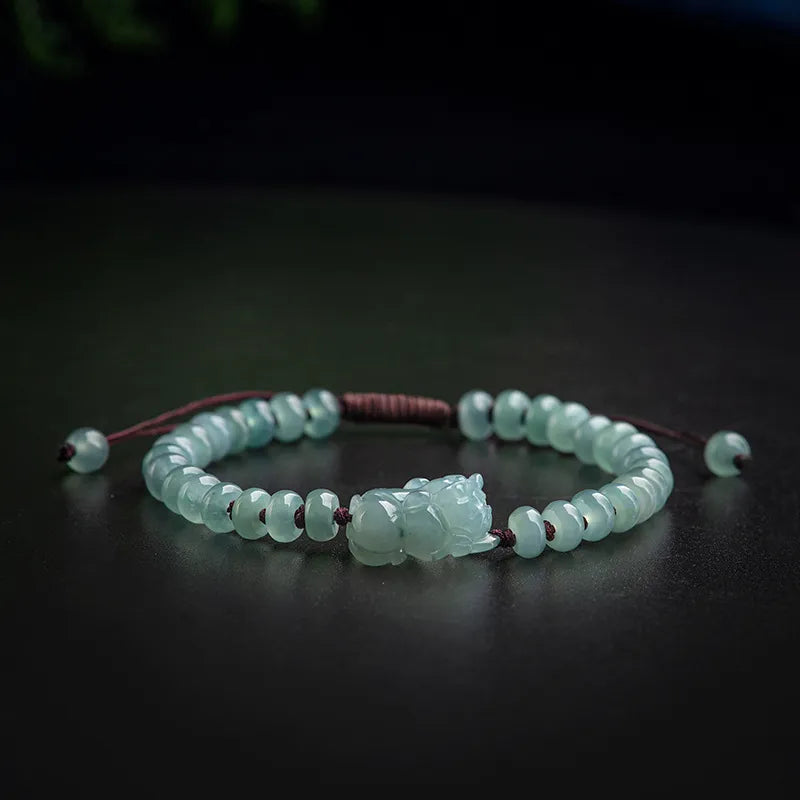
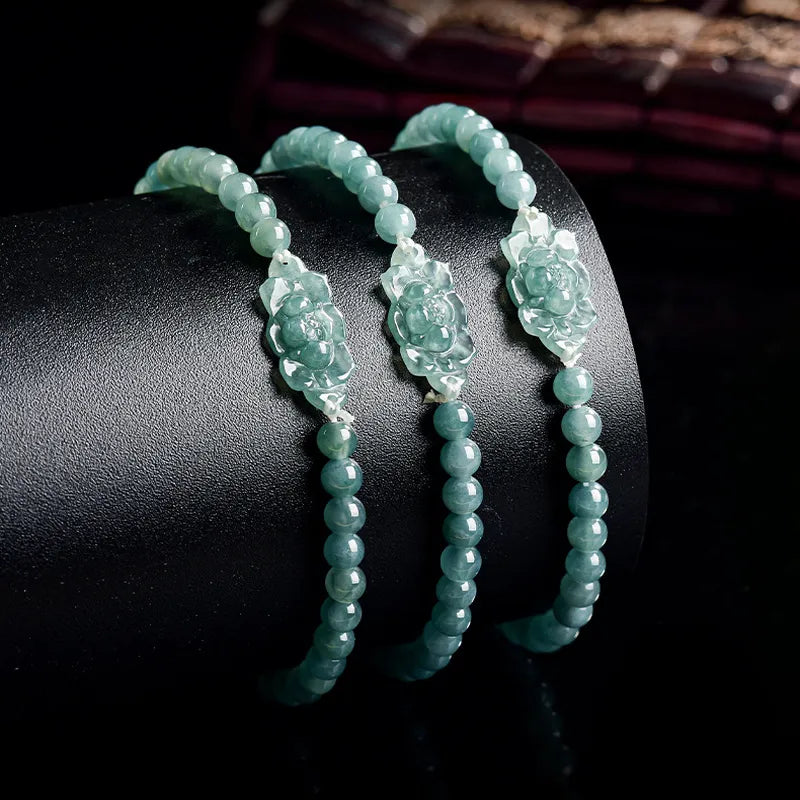
Genuine jade bracelets derive their luster from mineral composition and structural density. High-quality jade, such as nephrite or jadeite, reflects light in a way that mimics the diffused glow of candlelight—soft yet vibrant. This effect stems from microscopic crystal structures that scatter light evenly, creating a “velvety” appearance. In contrast, synthetic materials or heavily treated stones often display a flat, overly reflective surface that lacks depth.
To observe this, hold the bracelet under natural light and rotate it slowly. Authentic jade will reveal subtle shifts in brightness as light interacts with its internal texture, while fakes may appear uniformly shiny or dull.
Key Indicators of Natural Luster
-
Subtle Transparency with Cloud-Like Inclusions
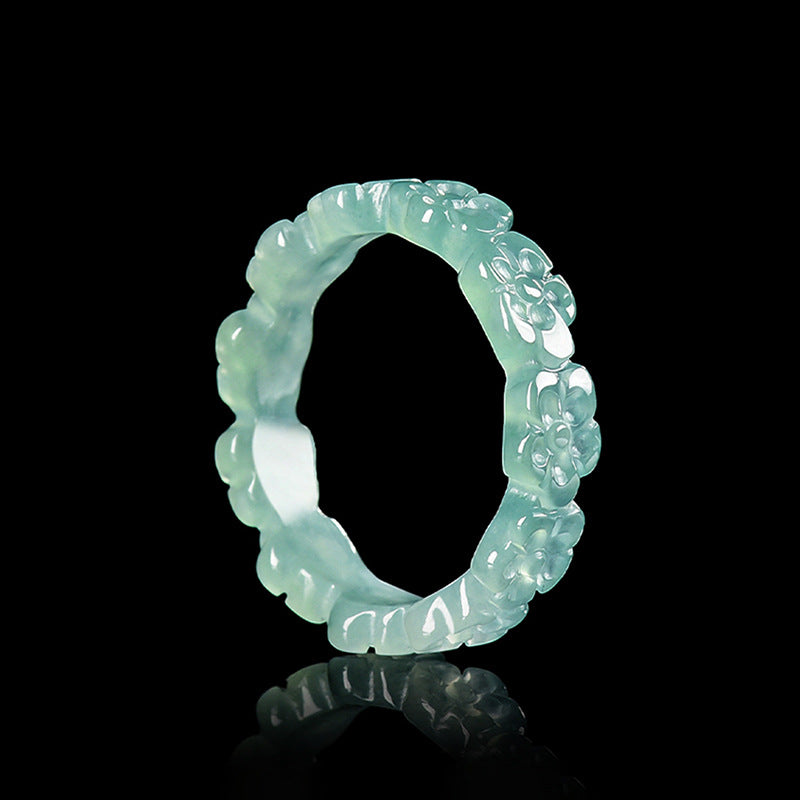
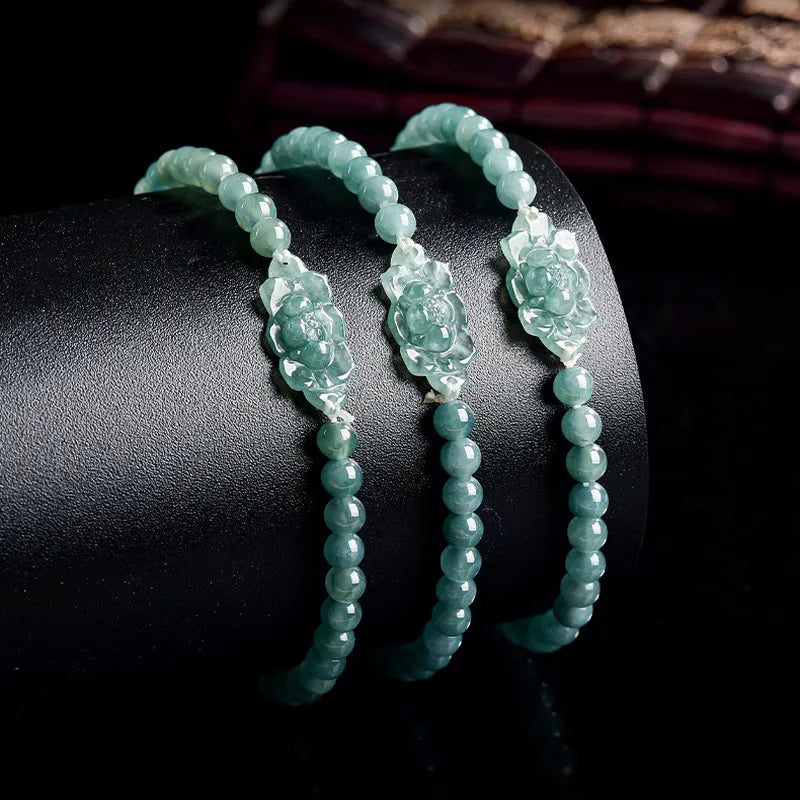
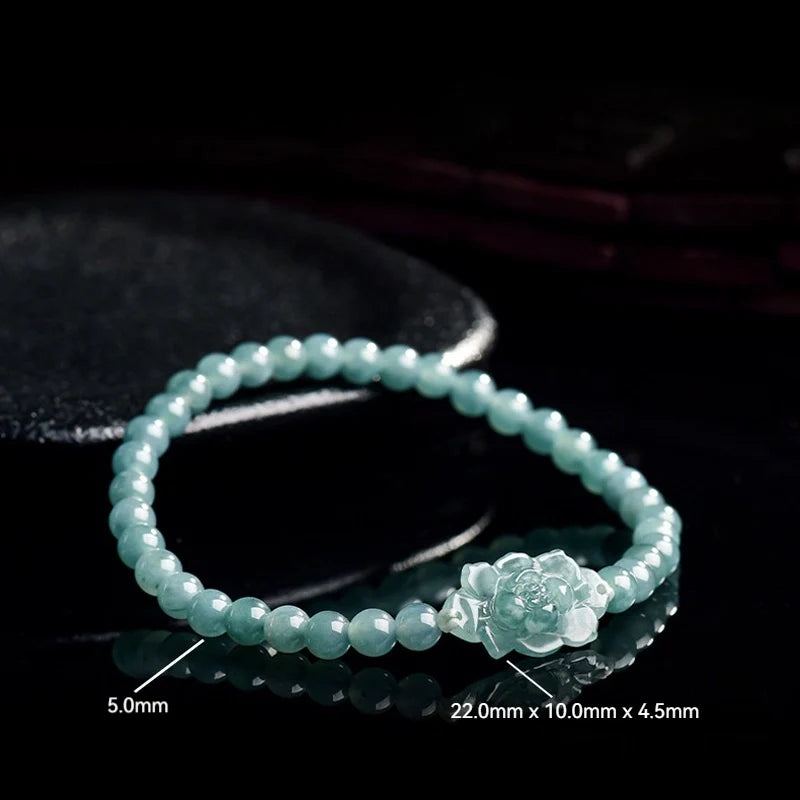
Natural jade often contains tiny mineral inclusions or fibrous structures that resemble wisps of cloud. These imperfections scatter light, creating a translucent effect that enhances the stone’s gentle glow. For example, high-grade jadeite may exhibit a “glassy” transparency with faint, cotton-like textures, whereas nephrite tends toward a waxier, more opaque luster.Tip: Use a flashlight to shine light through the bracelet. Genuine jade will allow partial light penetration, revealing internal patterns without appearing completely clear or opaque.
-
Uniform Color Distribution with Depth
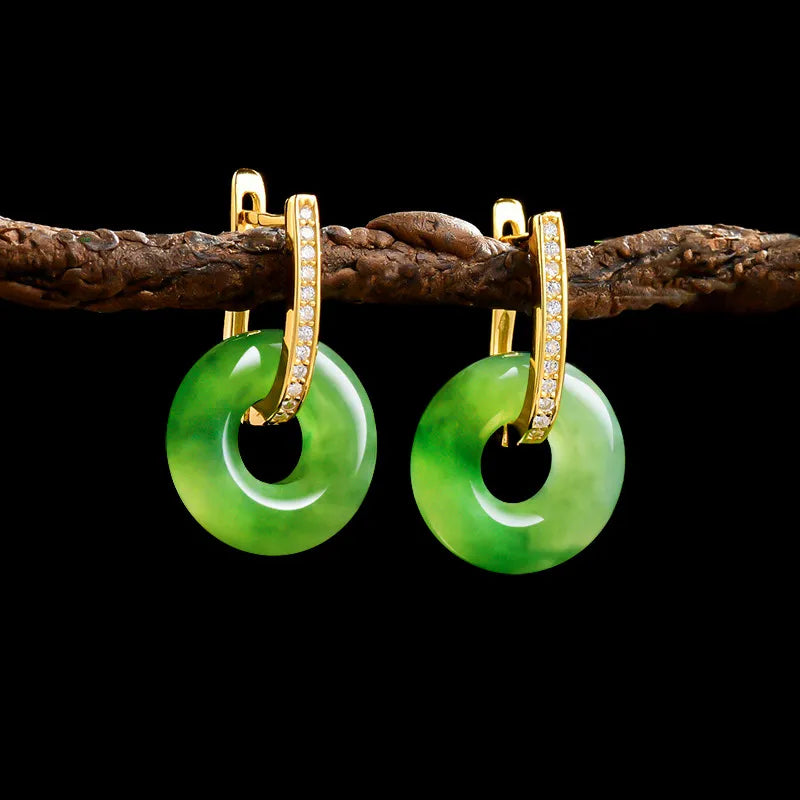
Authentic jade colors—whether green, white, or lavender—blend seamlessly into the stone’s matrix. The hue should appear rooted within the material, like dye absorbed by fabric, rather than sitting on the surface. For instance, a genuine green jade bracelet will show variations in shade under different lighting angles, while a dyed fake may display uniform color or patches where the dye has pooled.Observation Method: Examine the bracelet from multiple angles. Natural jade’s color will shift slightly depending on light direction, while artificial coloring remains static.
-
Resistance to Scratches and Temperature Retention
Jade’s hardness (6.5–7 on the Mohs scale) contributes to its luster by resisting surface damage. Gently scratch the bracelet’s interior with a metal needle—genuine jade will leave no marks, whereas softer materials like glass or resin may show scratches. Additionally, hold the bracelet against your cheek; real jade feels cool to the touch initially and warms gradually, while fakes may remain room temperature or feel artificially cold.Practical Test: Compare the bracelet’s weight to a similar-sized object. Jade’s density gives it a hefty feel, unlike lightweight plastics or hollowed-out imitations.
Common Pitfalls in Luster Assessment
- Over-Polishing: Some sellers polish low-quality jade to a high shine, mimicking genuine luster. However, this gloss often lacks the soft, inner radiance of natural stones and may appear “greasy” or overly reflective.
- Lighting Tricks: Fluorescent or colored lighting can distort jade’s appearance. Always assess luster under natural daylight or a full-spectrum bulb.
- Misinterpreting Inclusions: While inclusions are normal, excessive cloudiness or cracks may indicate poor quality. Aim for a balance between transparency and natural texture.
Advanced Techniques for Enthusiasts
For those seeking deeper verification, consider these methods:
- Sound Test: Tap the bracelet lightly with a wooden stick. Genuine jade produces a clear, ringing tone, while fakes may sound dull or hollow.
- UV Light Check: Some treated jades fluoresce under ultraviolet light, revealing artificial enhancements. However, this requires a UV lamp and is best used alongside other methods.
By focusing on these subtle yet telling details, collectors can confidently identify jade bracelets with the coveted gentle luster that signifies authenticity and timeless beauty.