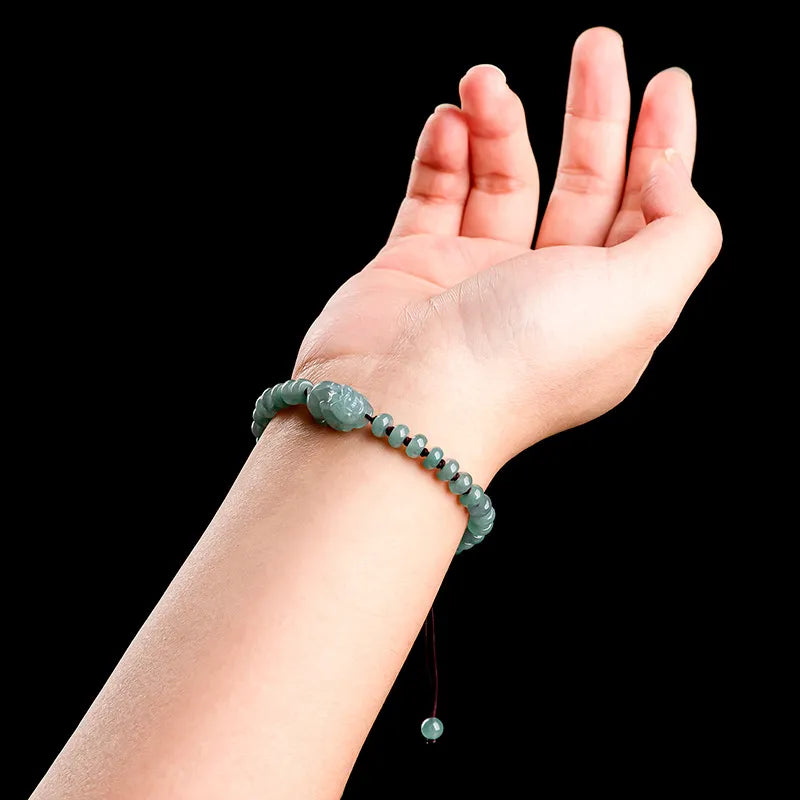

How to Assess Color Uniformity When Selecting Jade Bracelets: A Detailed Guide for Buyers
Color uniformity is a critical factor in determining the quality and aesthetic appeal of a jade bracelet. Natural jade often displays variations in hue, but excessive unevenness or artificial coloring can significantly reduce its value. Here’s how to evaluate color distribution and authenticity.
Understanding Natural Color Variations in Jade
Genuine jade, whether nephrite or jadeite, rarely exhibits perfectly uniform coloration. Instead, it features subtle gradients and patterns shaped by mineral composition and environmental factors during formation:
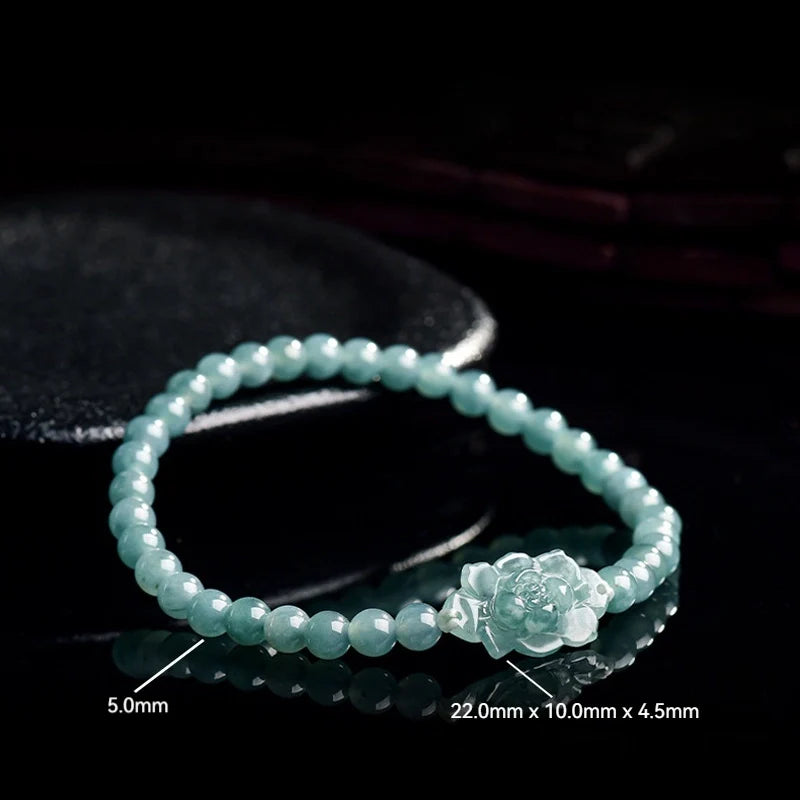
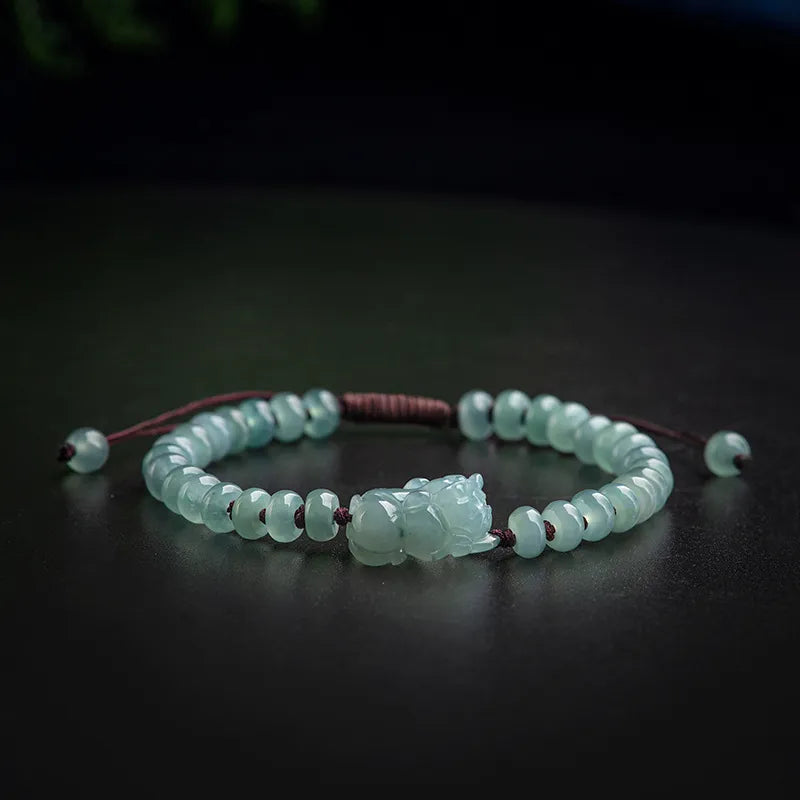
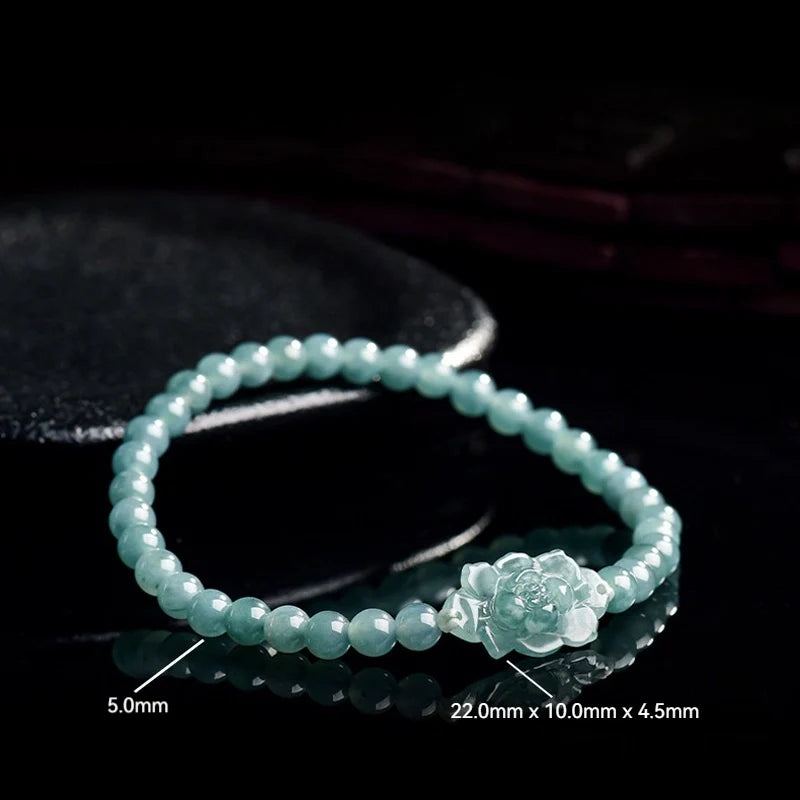
- Subtle Gradients: High-quality jade may show gentle transitions between shades, such as light green fading into deeper tones. These natural gradients add depth and character to the piece. To spot artificial uniformity, tilt the bracelet under light; synthetic or dyed jade often lacks these organic shifts.
- Veining and Patterns: Natural jade frequently contains thin, irregular veins or streaks of color. These patterns, known as "water lines" or "cloud formations," are formed by mineral inclusions or geological pressure. While some buyers prefer minimal veining, its presence is generally a sign of authenticity.
Identifying Artificial Color Enhancements
Many low-quality jades undergo treatments to mimic higher-grade colors. Recognizing these alterations is essential for making an informed purchase:
- Dye Infiltration: Dyed jade often displays unnatural color concentration at cracks or edges. Use a magnifying glass to inspect these areas; if the color appears darker or more saturated along fractures, it’s likely been artificially treated.
- Surface Coatings: Some jades are coated with colored resins or waxes to improve their appearance. These coatings may flake off over time or feel uneven to the touch. Gently rub the surface with a soft cloth; if color transfers onto the fabric, the piece has been treated.
- Uniform Brightness: Natural jade colors are rarely overly vibrant or neon-like. If a bracelet’s hue seems unnaturally intense or lacks depth, it may have been bleached, dyed, or exposed to chemical treatments.
Evaluating Color Distribution Across the Bracelet
Consistency in color across the entire piece is a hallmark of quality, but achieving perfect uniformity in natural jade is rare. Here’s what to look for:
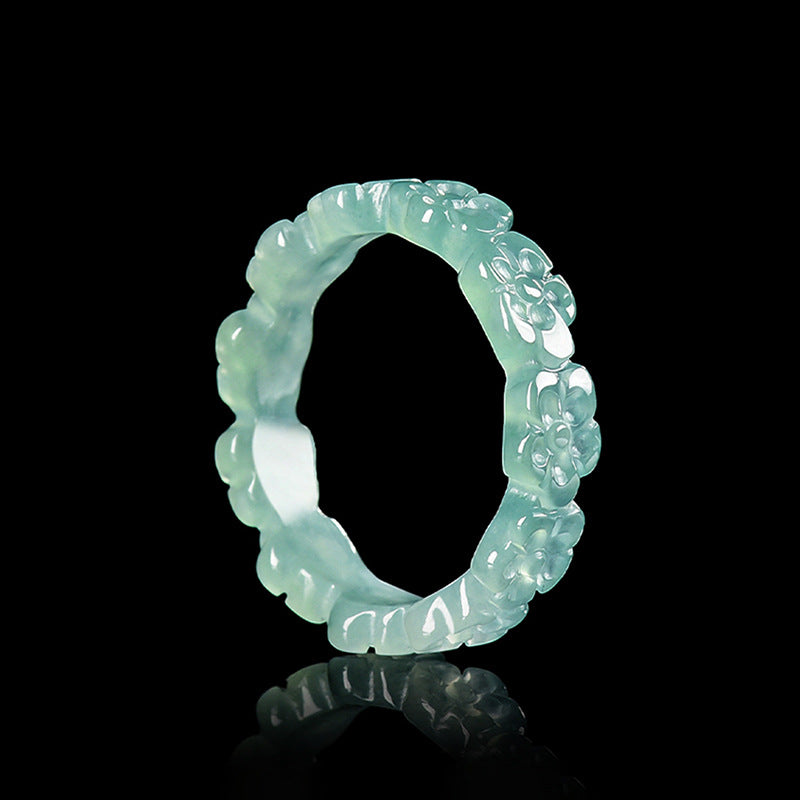
- Inner vs. Outer Surfaces: Check both the interior and exterior of the bracelet. High-quality jade maintains similar coloration throughout, while dyed or treated pieces may show discrepancies between these areas. For example, the inner circle might appear paler or more uneven than the outer surface.
- Light Interaction: Hold the bracelet under multiple light sources, including natural sunlight and indoor lighting. Authentic jade will reflect light differently depending on its angle, creating dynamic shifts in color intensity. Artificially colored jade may look flat or consistently bright regardless of lighting conditions.
- Color Saturation Depth: Natural jade colors often appear to originate from within the stone, giving them a three-dimensional quality. In contrast, dyed jade may seem superficial, with color sitting only on the surface. Use a loupe to inspect the depth of pigmentation; genuine jade will show consistent saturation throughout its thickness.
Common Color-Related Flaws to Avoid
Even natural jade can have color imperfections that affect its value and durability:
- Patchy Coloration: Large, irregular patches of color (known as "color zoning") can disrupt the visual harmony of a bracelet. While minor zoning is acceptable, excessive patchiness suggests poor material quality or uneven dye distribution.
- Fading or Discoloration: Some treated jades fade over time when exposed to heat, sunlight, or chemicals. Ask the seller about the stone’s history and avoid pieces with signs of premature aging, such as faded edges or blotchy surfaces.
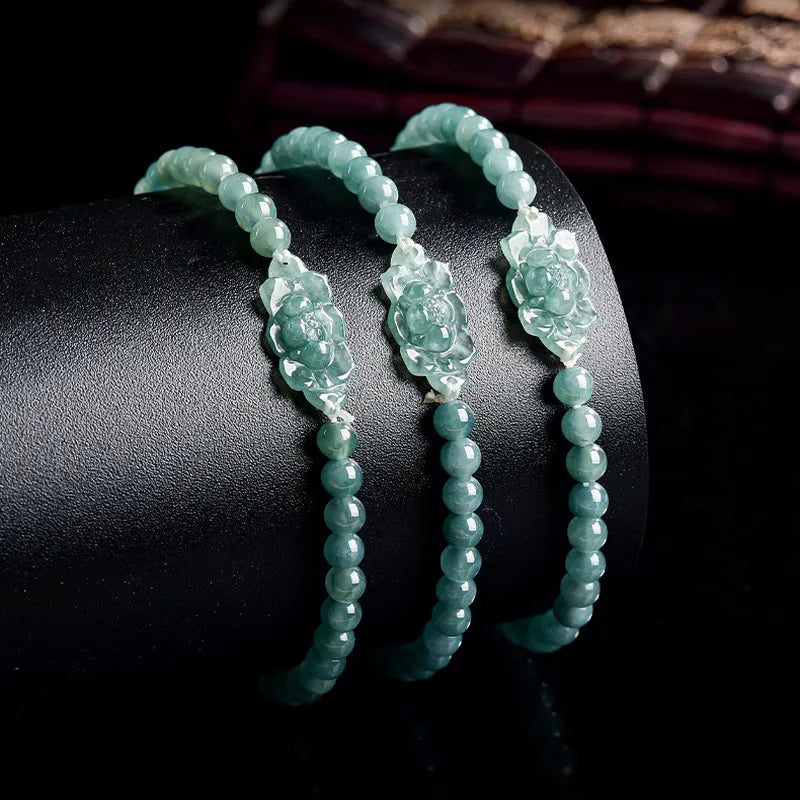
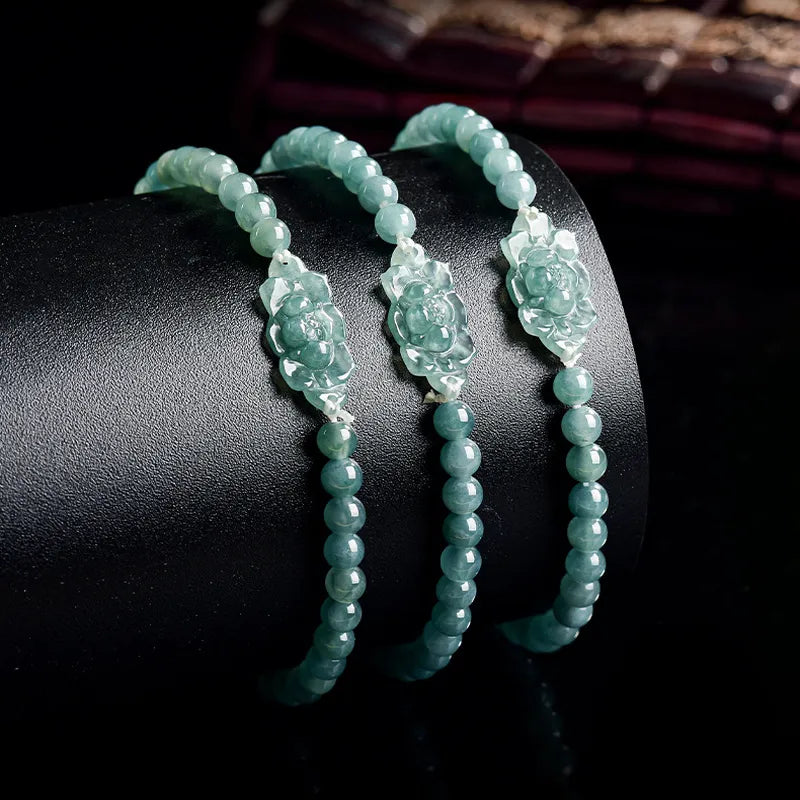
- Color Inconsistency in Matching Sets: If purchasing multiple jade pieces as a set, ensure their colors complement each other. Mismatched hues or tones can detract from the overall aesthetic, even if individual pieces are of high quality.
By mastering these color evaluation techniques, buyers can confidently distinguish natural, high-quality jade from artificially enhanced or inferior stones. Prioritize organic gradients, depth of saturation, and consistency across the piece when making your selection.