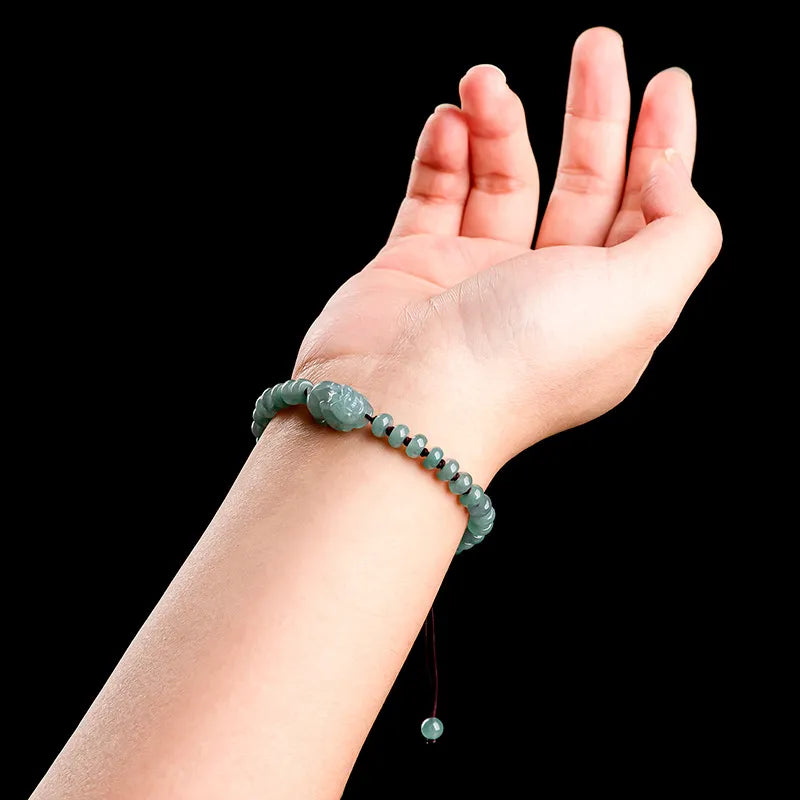

Winter Storage Tips for Jade Bangles: Protecting Your Treasure from Cold-Weather Damage
Jade bangles, whether made of nephrite or jadeite, are delicate pieces that demand special care, especially during winter. The cold, dry air and sudden temperature changes can weaken the stone’s structure, leading to cracks, discoloration, or brittleness. To keep your jade bangle in pristine condition, follow these seasonal-specific storage guidelines tailored to winter conditions.
Understanding Winter’s Impact on Jade
Winter’s environmental factors pose unique risks to jade bangles. Recognizing these threats is the first step in preventing damage.
Cold-Induced Contraction and Stress
Jade is a natural stone that expands in heat and contracts in cold. During winter, indoor heating systems often create sharp temperature fluctuations—warm rooms contrasted with cold drafts from windows or doors. This repeated contraction and expansion can cause internal stress within the bangle, leading to microscopic cracks that may worsen over time. Even brief exposure to freezing temperatures, such as leaving the bangle near an unheated window, can accelerate this process.
Dry Air and Dehydration Risks
Winter air is notoriously dry, especially in heated homes. Low humidity levels can draw moisture from the jade, causing it to become dehydrated. Dehydrated jade loses its natural luster, appearing dull or cloudy. In severe cases, the stone may develop surface fissures or become more prone to chipping. This is particularly concerning for older or antique bangles, which may already have weakened areas due to age or prior wear.
Static Electricity and Dust Accumulation
Cold, dry air increases static electricity, which can attract dust particles to the bangle’s surface. Dust acts as an abrasive when the bangle is moved or handled, scratching its polished finish. Additionally, static cling may cause the bangle to stick to fabrics or other surfaces, increasing the risk of accidental drops or impacts during removal from storage.
Creating a Winter-Proof Storage Environment
To counteract winter’s harsh effects, store your jade bangle in a controlled environment that minimizes temperature swings and maintains optimal humidity.
Selecting an Ideal Storage Location
Choose a room in your home with stable temperatures, ideally between 18°C and 24°C (64°F to 75°F). Avoid areas near heating vents, radiators, or fireplaces, as these spots experience extreme heat that can shock the cold-adapted bangle when moved. Similarly, steer clear of unheated garages, attics, or basements, where temperatures may drop below freezing. A bedroom dresser drawer or a lined jewelry box on a shelf away from windows is often a safe choice.
Using Humidity Control Methods
Maintain relative humidity levels between 40% and 60% to prevent jade dehydration. In dry winter climates, use a room humidifier to add moisture to the air, placing it near the storage area but not directly aimed at the bangle. For smaller-scale humidity control, place silica gel packets or a small dish of water (covered with a breathable fabric to prevent spills) inside the storage container. Check these regularly and replace silica gel as needed to ensure consistent moisture absorption.
Shielding from Static and Dust
Line your storage container with anti-static fabric, such as natural cotton or microfiber, to reduce dust attraction. These materials also provide a soft cushion for the bangle. Avoid synthetic linings like polyester, which can generate static electricity. If storing the bangle in a drawer, place it in a cloth pouch or wrap it in acid-free tissue paper before tucking it away. This extra layer minimizes contact with dust and prevents scratches from other items in the drawer.
Proper Handling and Pre-Storage Preparation
Before storing your jade bangle for winter, ensure it’s clean and dry to avoid trapping dirt or moisture that could cause long-term damage.
Gentle Cleaning Before Storage
Use a soft, lint-free cloth dampened with lukewarm water to wipe the bangle’s surface. For stubborn grime, add a drop of mild, pH-neutral soap to the water, but avoid harsh chemicals or abrasive cleaners that could scratch the stone. Gently rub the bangle in circular motions, paying attention to crevices or engraved areas where dirt may accumulate. After cleaning, rinse the cloth with clean water and wipe the bangle again to remove any soap residue.
Drying Techniques to Prevent Moisture Traps
Pat the bangle dry with a clean, dry cloth, then let it air-dry completely before storage. Avoid using hairdryers or placing the bangle near heat sources to speed up drying, as sudden heat can cause thermal shock. Instead, lay the bangle flat on a soft towel in a well-ventilated area, allowing it to dry naturally for at least an hour. Ensure no moisture remains in carved details or hollow sections, as trapped water can freeze and expand, damaging the stone.
Wrapping for Added Protection
Wrap the bangle in acid-free tissue paper or a soft cotton cloth before placing it in its storage container. This provides an extra barrier against dust, static, and minor impacts. For bangles with intricate designs, use multiple layers of thin fabric to cushion delicate areas without applying pressure. Secure the wrap with a soft ribbon or cloth tie, avoiding tight knots that could dent the bangle.
Long-Term Winter Storage Strategies
If you plan to store your jade bangle for the entire winter season, implement these strategies to ensure its safety over months of inactivity.
Periodic Inspection and Repositioning
Every four to six weeks, unwrap the bangle and inspect it for signs of damage, such as new cracks, discoloration, or dullness. Check the storage container’s humidity levels and replace silica gel packets if they’ve changed color (indicating saturation). Gently rotate the bangle’s position within the container to prevent prolonged pressure on one area, which could lead to flat spots or deformation.
Avoiding Long-Term Exposure to Storage Materials
While acid-free tissue paper and cotton cloth are safe for short-term storage, prolonged contact with certain fabrics or papers may cause chemical reactions over months. To mitigate this, rewrap the bangle in fresh materials every two to three months. If using a wooden storage box, ensure it’s lined with a non-reactive fabric, as some woods may release oils or acids that could harm the jade.
Preparing for Seasonal Transitions
When winter ends and temperatures rise, don’t rush to move the bangle back to its usual spot. Gradually acclimate it to warmer, more humid conditions by placing it in a transitional area (like a hallway) for a day or two before returning it to a room with normal humidity and temperature. This slow adjustment prevents condensation from forming on the bangle’s surface, which could lead to water spots or mildew.
By following these winter-specific storage tips, you can protect your jade bangle from the season’s harshest conditions, ensuring it remains a cherished piece for years to come. Proper care during winter is not just about preservation—it’s a way to honor the craftsmanship and cultural significance of this timeless accessory.