
How to Select Unstained Jade Bracelets: A Practical Guide
When purchasing a jade bracelet, identifying whether it is naturally colored or artificially dyed is crucial for ensuring authenticity and value. Below are detailed methods to help you select unstained jade bracelets with confidence.
Observing Color Distribution and Consistency
Natural Color Patterns
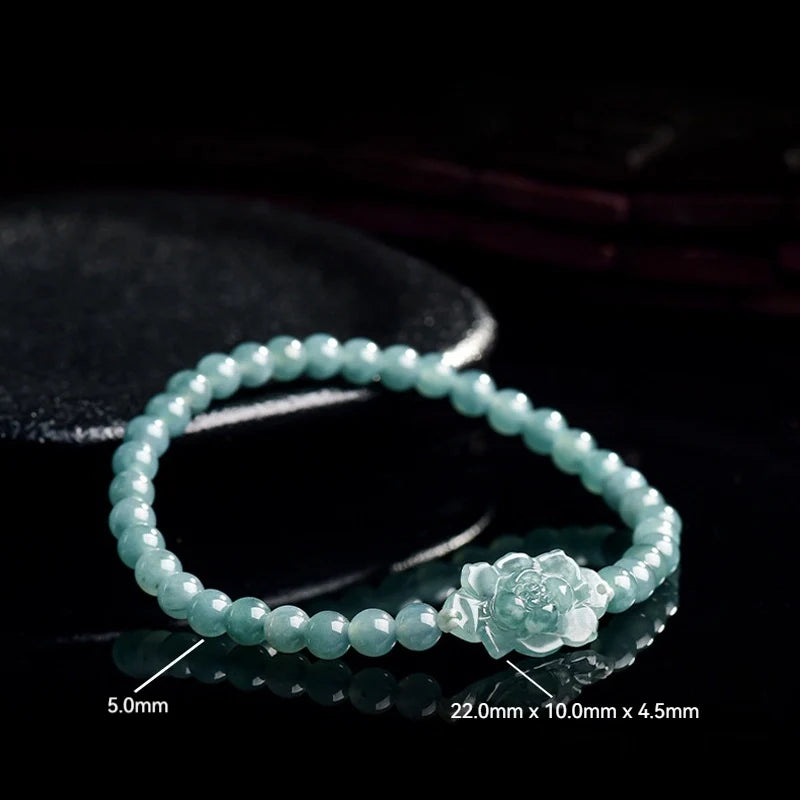
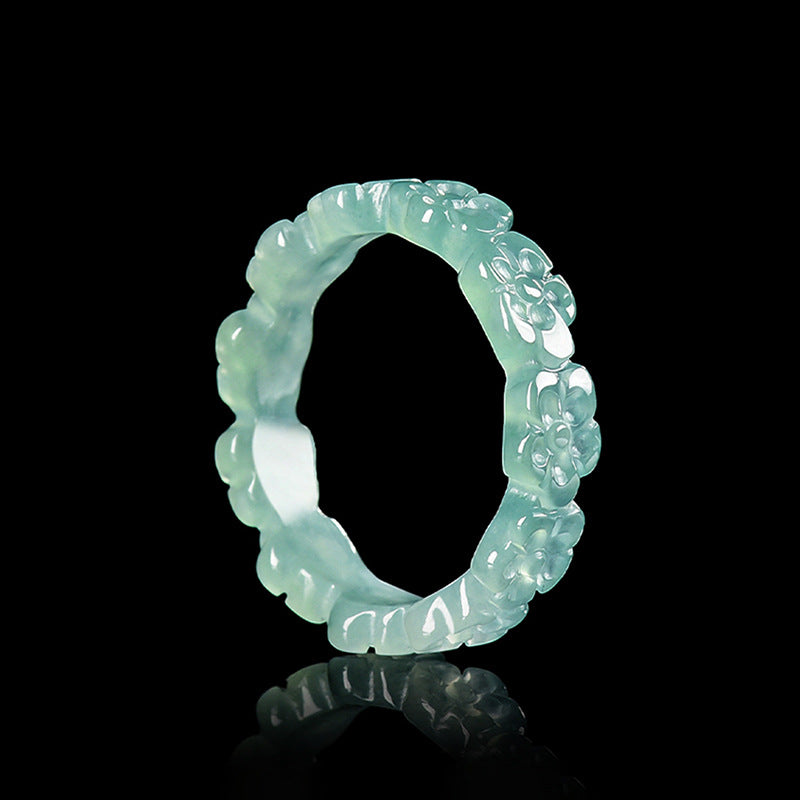
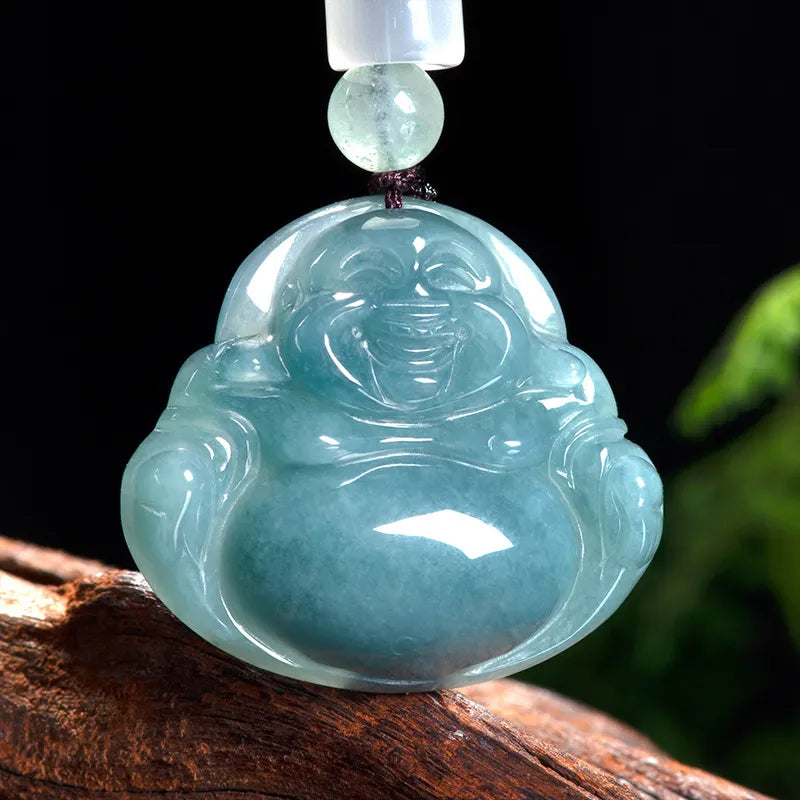
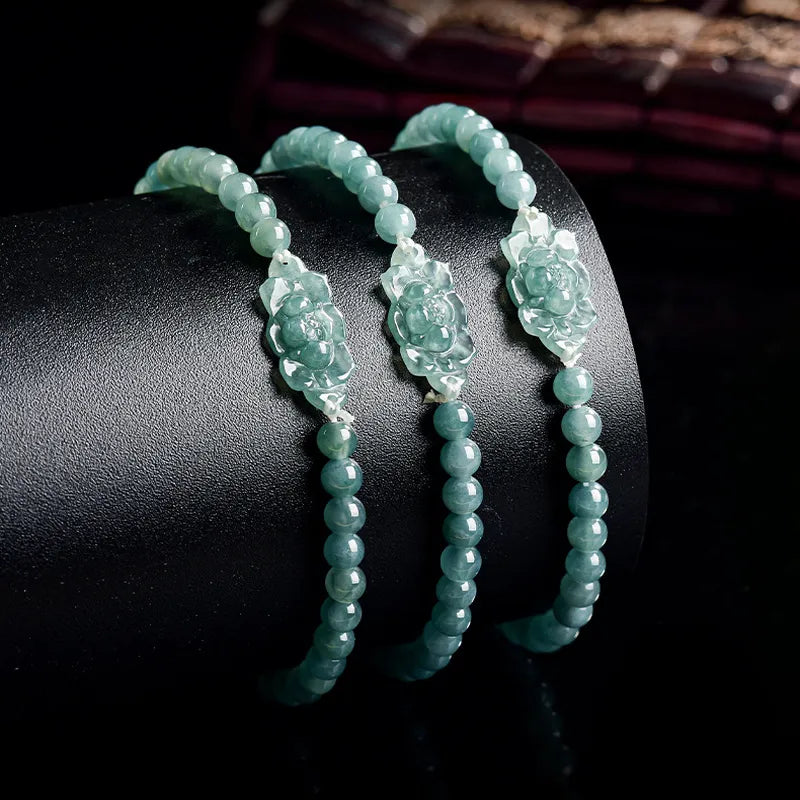
Genuine jade bracelets typically exhibit uniform color distribution with subtle variations in hue. For example, high-quality white jade should appear creamy and consistent, while green jade may show slight gradations in shade. These natural patterns are often irregular yet harmonious, reflecting the stone’s organic formation process.
Signs of Artificial Dyeing
Dyed jade bracelets frequently display uneven coloration, such as patches of intense color or streaks along cracks. These artificial hues may appear overly vibrant or unnatural compared to the stone’s base tone. For instance, a bracelet with abrupt shifts from light to dark green likely underwent dye treatment.
Lighting Considerations
Always examine jade bracelets under natural sunlight rather than artificial lighting. Sunlight reveals true color depth and texture, helping you detect dye accumulation in crevices or uneven pigmentation. Avoid relying solely on store lighting, which can enhance appearance but mask flaws.
Inspecting Internal Structure and Texture
Natural Inclusions and Texture
Authentic jade contains natural inclusions like tiny black spots, white streaks, or cotton-like fibers. These imperfections are normal and indicate genuine material. When viewed under magnification, the texture should appear fibrous or granular, depending on the jade variety. For example, nephrite jade often has a fibrous structure, while jadeite may show a more granular pattern.
Dyed Jade Indicators
Dyed jade bracelets may lack natural inclusions or exhibit artificial-looking textures. Under magnification, dye particles might appear as small, clustered specks on the surface or within cracks. Additionally, dyed stones may feel overly smooth or waxy due to chemical treatments, unlike the natural oiliness of genuine jade.
Using Magnification Tools
A 10x loupe or magnifying glass is invaluable for detecting dye traces. Focus on areas near cracks or edges, where dye often accumulates. Natural jade will show consistent texture throughout, while dyed pieces may reveal uneven pigment distribution or foreign particles.
Verifying Authenticity Through Professional Methods
Ultraviolet Light Test
Genuine jade bracelets often fluoresce under ultraviolet (UV) light, though the reaction varies by type. For example, some jadeite may emit a faint blue or green glow, while others remain inert. In contrast, dyed jade may show no fluorescence or an inconsistent reaction due to chemical additives. Use a UV flashlight to check for uniform fluorescence across the bracelet.
Sound Test for Density
Tap the bracelet lightly with a hard object, such as a metal rod. Authentic jade produces a clear, ringing sound due to its dense structure. If the sound is dull or muffled, the stone may be dyed or composed of lower-quality material. This method works best when comparing multiple pieces to identify anomalies.
Seeking Expert Certification
For high-value purchases, request a certificate from a reputable gemological laboratory. Certificates verify authenticity, origin, and treatment history. Ensure the certificate includes details like the testing method, results, and the issuing institution’s credentials. Avoid bracelets without documentation, as they may lack assurance of quality.
By combining these observational, technical, and professional methods, you can confidently select unstained jade bracelets that retain their natural beauty and value. Remember to prioritize transparency in the buying process and consult experts when in doubt.