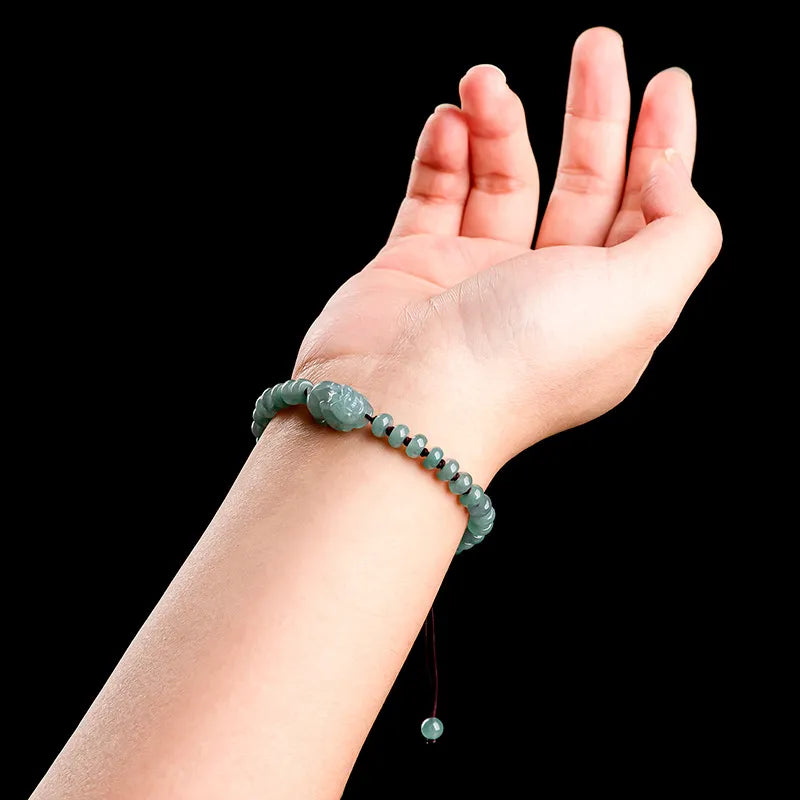

How to Evaluate Craftsmanship Precision When Selectting Jade Bracelets: A Buyer’s Guide to Artisanal Quality
The craftsmanship of a jade bracelet determines its durability, comfort, and visual appeal. Unlike mass-produced alternatives, hand-finished jade requires meticulous attention to detail, from shaping to polishing. Here’s how to assess the precision of its construction.
Examining Surface Smoothness and Polishing Techniques
The finish of a jade bracelet reveals much about its craftsmanship. A high-quality piece should feel flawless to the touch, with no rough edges or visible tool marks:
- Hand-Polishing vs. Machine Polishing: Authentic, artisanal jade is often hand-polished to achieve a smooth, even luster. Machine-polished pieces may lack this refined finish, leaving microscopic scratches or uneven reflections. Run your fingertips along the inner and outer surfaces; genuine craftsmanship will feel consistently silky.
- Microscopic Imperfections: Even the finest jade may have tiny natural pits or inclusions, but these should not disrupt the overall smoothness. Use a magnifying glass to inspect the surface for unintended grooves or unevenness caused by poor tooling or rushed polishing.
- Luster Consistency: Natural jade develops a waxy or oily sheen when polished correctly. If the bracelet appears overly glossy or matte in patches, it may have been treated with artificial coatings or unevenly finished. Test this by rotating the piece under light; authentic luster will shift subtly with angle changes.
Assessing Structural Symmetry and Proportions
A well-crafted jade bracelet maintains balanced proportions and symmetry, ensuring both aesthetic harmony and wearability:
- Thickness Uniformity: Measure the bracelet’s thickness at multiple points using calipers or a ruler. High-quality pieces will have consistent thickness throughout, while poorly made ones may taper unevenly or feature bulges. Thin, uneven sections are prone to cracking under pressure.
- Inner Circle Precision: The inner edge of the bracelet should be perfectly rounded to fit comfortably on the wrist. Sharp or irregular inner edges can cause discomfort or skin irritation. Gently press the bracelet against your wrist to test for smooth contact.
- Overall Shape Balance: Whether oval, round, or rectangular, the bracelet’s shape should be symmetrical and proportionate. Asymmetrical designs or lopsided curves suggest rushed craftsmanship or flaws in the original stone. Place the piece on a flat surface to check for wobbling or misalignment.
Analyzing Carving and Decorative Details (If Applicable)
Some jade bracelets feature intricate carvings or engravings, which require advanced skill to execute cleanly:
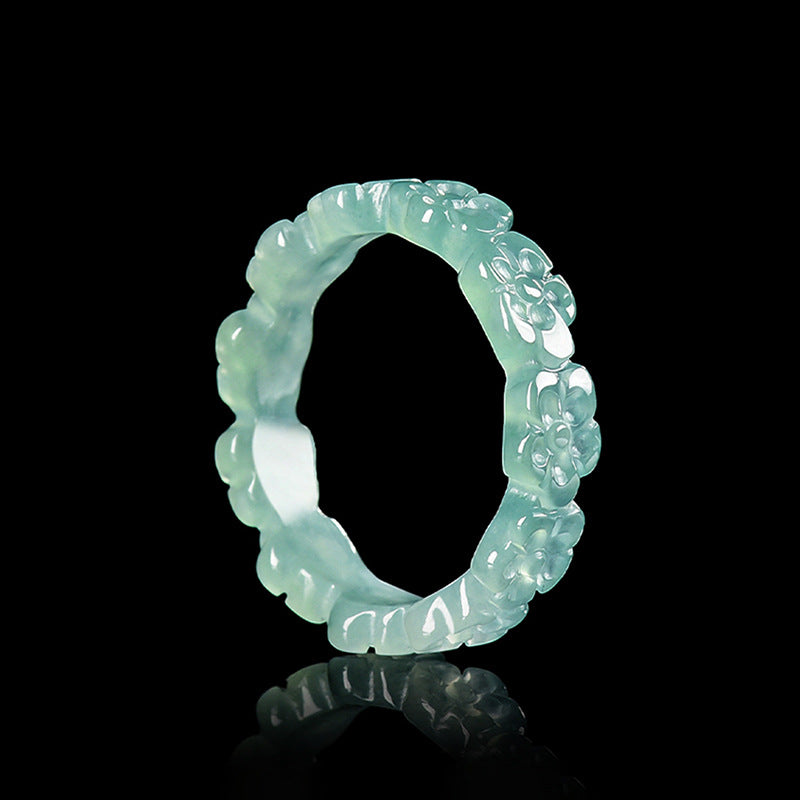
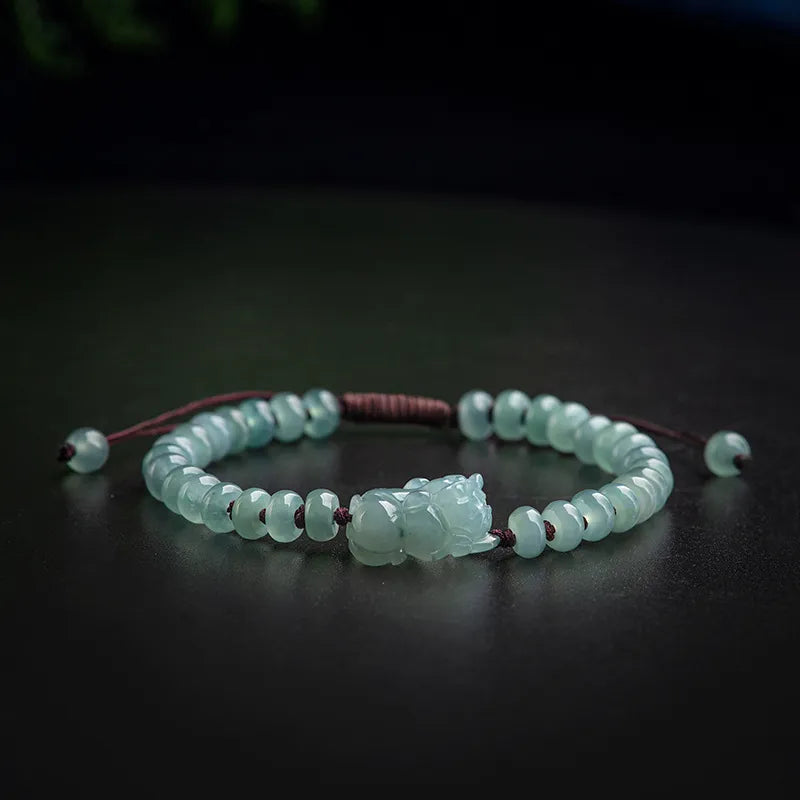
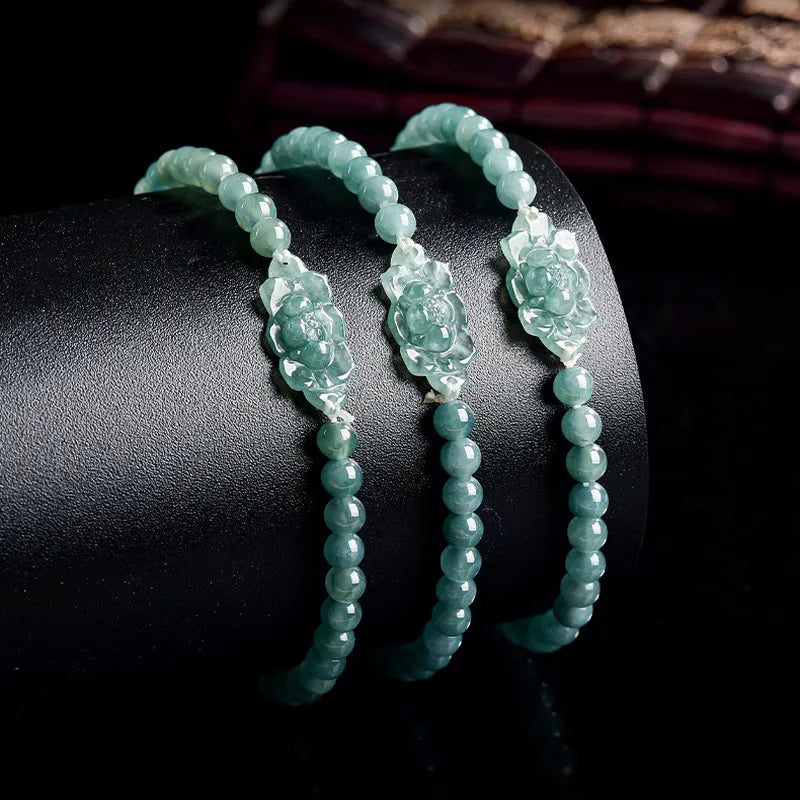
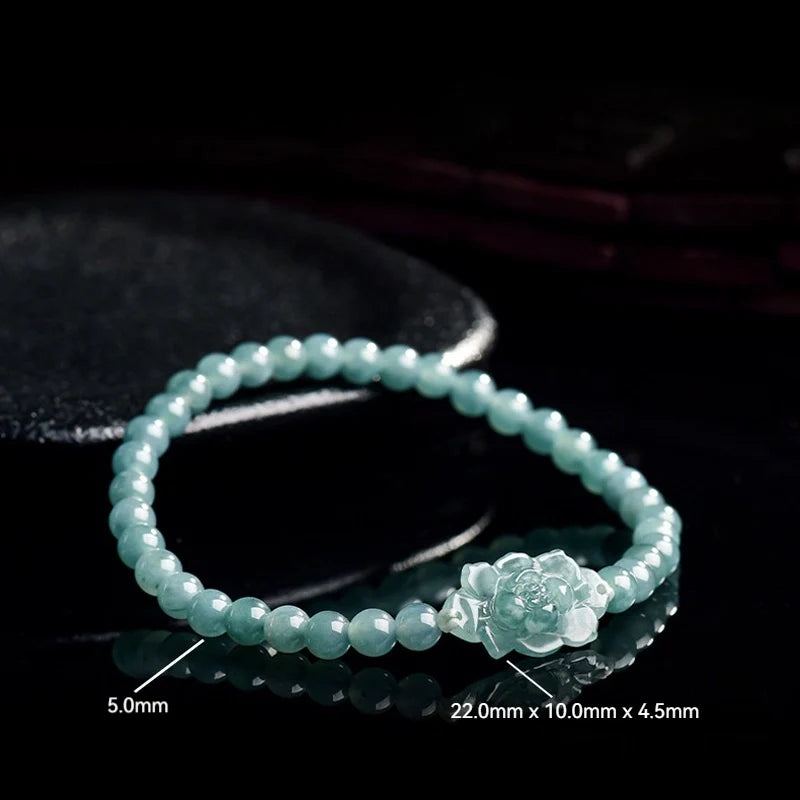
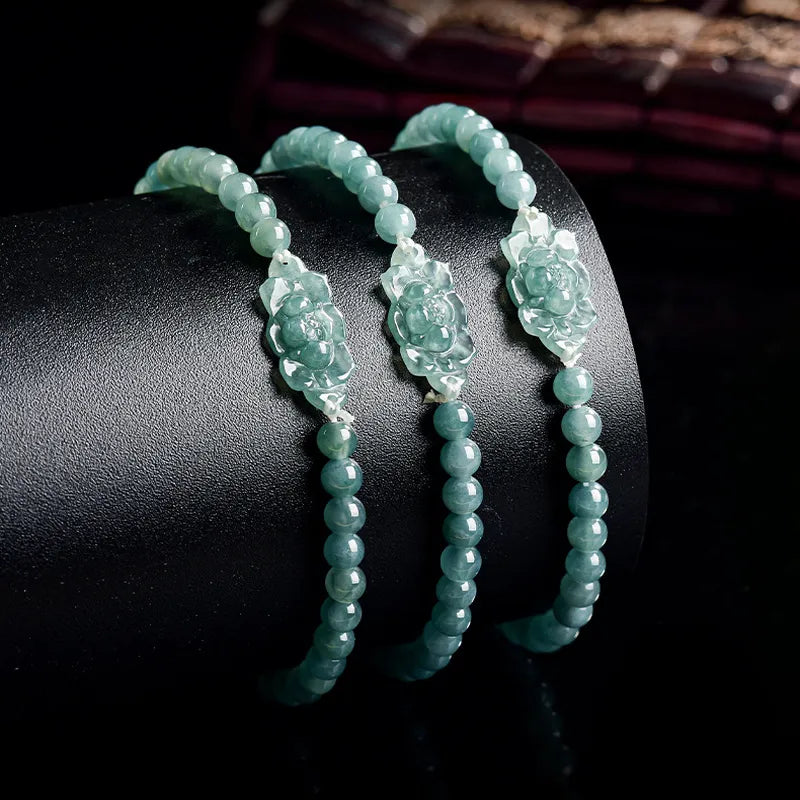
- Depth and Clarity of Carvings: If the bracelet includes floral motifs, animal figures, or geometric patterns, inspect the depth and precision of these designs. Shallow or blurry carvings indicate low-quality workmanship, while deep, crisp lines showcase masterful technique.
- Edge Definition in Engravings: Decorative elements should have clean, sharp edges without blurring or chipping. Use a loupe to examine fine details; authentic carvings will maintain their definition even under close scrutiny, while poorly done ones may appear smudged or uneven.
- Surface Preservation Around Carvings: The areas surrounding carved designs should remain smooth and undamaged. Rough patches or pitting near engravings suggest the use of heavy-handed tools or lack of refinement during the finishing process.
Common Craftsmanship Flaws to Avoid
Even natural jade can suffer from poor construction, reducing its value and longevity:
- Visible Tool Marks: Modern jade carving tools can leave faint lines or scratches if not used skillfully. While some natural inclusions are acceptable, unintended tool marks are a red flag for subpar craftsmanship.
- Uneven Polishing Around Joints: Some bracelets are made by joining multiple pieces of jade. If the joints are visible or feel rough, it indicates weak adhesion or rushed finishing. A high-quality piece will have seamless transitions between sections.
- Thin or Fragile Sections: Overly thin areas, especially near carvings or bends, are prone to breaking. Gently flex the bracelet (without applying excessive force) to test its structural integrity; it should resist bending without cracking.
By focusing on surface finish, structural symmetry, and decorative precision, buyers can identify jade bracelets crafted with care and expertise. Prioritize pieces that feel smooth, balanced, and visually refined to ensure long-lasting beauty and comfort.