
Why High Temperatures Threaten Jade Bangles
Thermal Shock and Internal Fractures
Jade’s crystalline structure is sensitive to sudden temperature changes. When exposed to heat, the stone expands unevenly, creating microscopic fractures. For example, moving from an air-conditioned room into direct sunlight or placing a bangle near a heater can cause stress fractures. These cracks may not be immediately visible but weaken the stone over time, making it prone to breakage during daily wear.
Chemical Reactions Under Heat
High temperatures accelerate chemical interactions between jade and its environment. Natural acids in hot spring water or chlorine in pools can erode the stone’s surface, dulling its shine. Treated jade, such as polymer-impregnated varieties, is particularly vulnerable—heat may melt the polymers, leading to discoloration or a sticky texture. Even untreated jade can absorb minerals from heated water, altering its color permanently.
Heat-Induced Color Changes
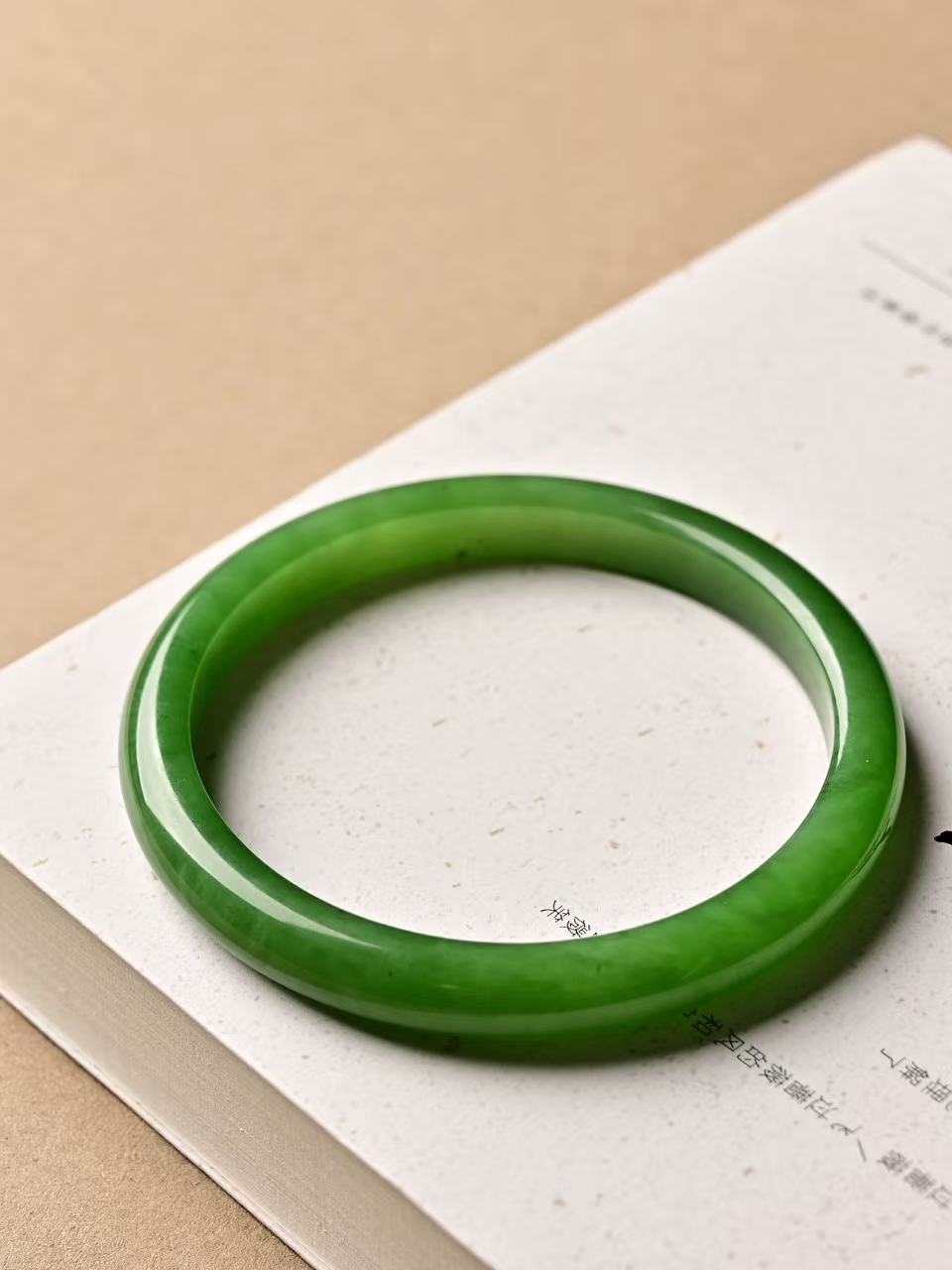
Light-green jadeite, a prized variety, can turn white when exposed to intense heat, such as from a jeweler’s torch. Similarly, heat-treated purple jade may lose its vibrancy, fading to a muted tone. These changes are often irreversible, diminishing the bangle’s aesthetic and monetary value.
Practical Tips to Shield Your Jade Bangle from Heat Damage
Avoid Direct Sunlight and Hot Environments
Prolonged exposure to sunlight can raise the stone’s temperature, risking internal damage. Store your bangle in a cool, dark place when not in use, such as a fabric-lined jewelry box. During outdoor activities, keep it shaded or remove it temporarily to prevent overheating.
Remove Before Hot Baths or Swimming
While jade can withstand brief contact with water, hot baths, saunas, and hot tubs pose risks. The combination of heat and chemicals like chlorine can weaken the stone. Similarly, avoid wearing your bangle while swimming in pools or oceans, as saltwater and chlorine may cause erosion.
Handle with Care During Cleaning
Clean your bangle using lukewarm water and mild, alcohol-free soap. Avoid hot water, as it can expand the stone’s pores, making it more susceptible to chemical damage. Gently pat the bangle dry with a soft, lint-free cloth instead of air-drying, which can leave water spots.
Long-Term Maintenance for Jade Bangles
Regular Inspections for Damage
Examine your bangle periodically for cracks or discoloration, especially after exposure to heat or chemicals. Early detection allows you to address issues before they worsen. Use a magnifying glass to check hard-to-see areas, such as the inner curve of the bangle.
Store Properly to Prevent Scratches
Keep your bangle separate from other jewelry to avoid scratches. Wrap it in a soft cloth or place it in a dedicated compartment in your jewelry box. Avoid storing it alongside harder gemstones, like diamonds, which can damage jade’s surface.
Seek Professional Help for Repairs
If your bangle develops fractures or discoloration, consult a professional jeweler. Attempting DIY repairs, such as using adhesives or heat, can worsen the damage. A skilled jeweler can assess the extent of the harm and recommend safe restoration methods.
By understanding the risks of high temperatures and adopting these preventive measures, you can preserve your jade bangle’s beauty and cultural significance for years to come. Treat your bangle with the care it deserves, and it will remain a symbol of elegance and tradition.